


How a Fibre Optic Lamp Can Create a Calming Sensory Space

Picture a soft, shimmering waterfall of light, captivating but never overwhelming. That's the essence of a fibre optic lamp. More than just a decorative piece, it’s a powerful tool for crafting calm sensory environments, offering a gentle and predictable visual experience that can help ease stress and ground a busy mind.
Understanding the Magic of a Fibre Optic Lamp
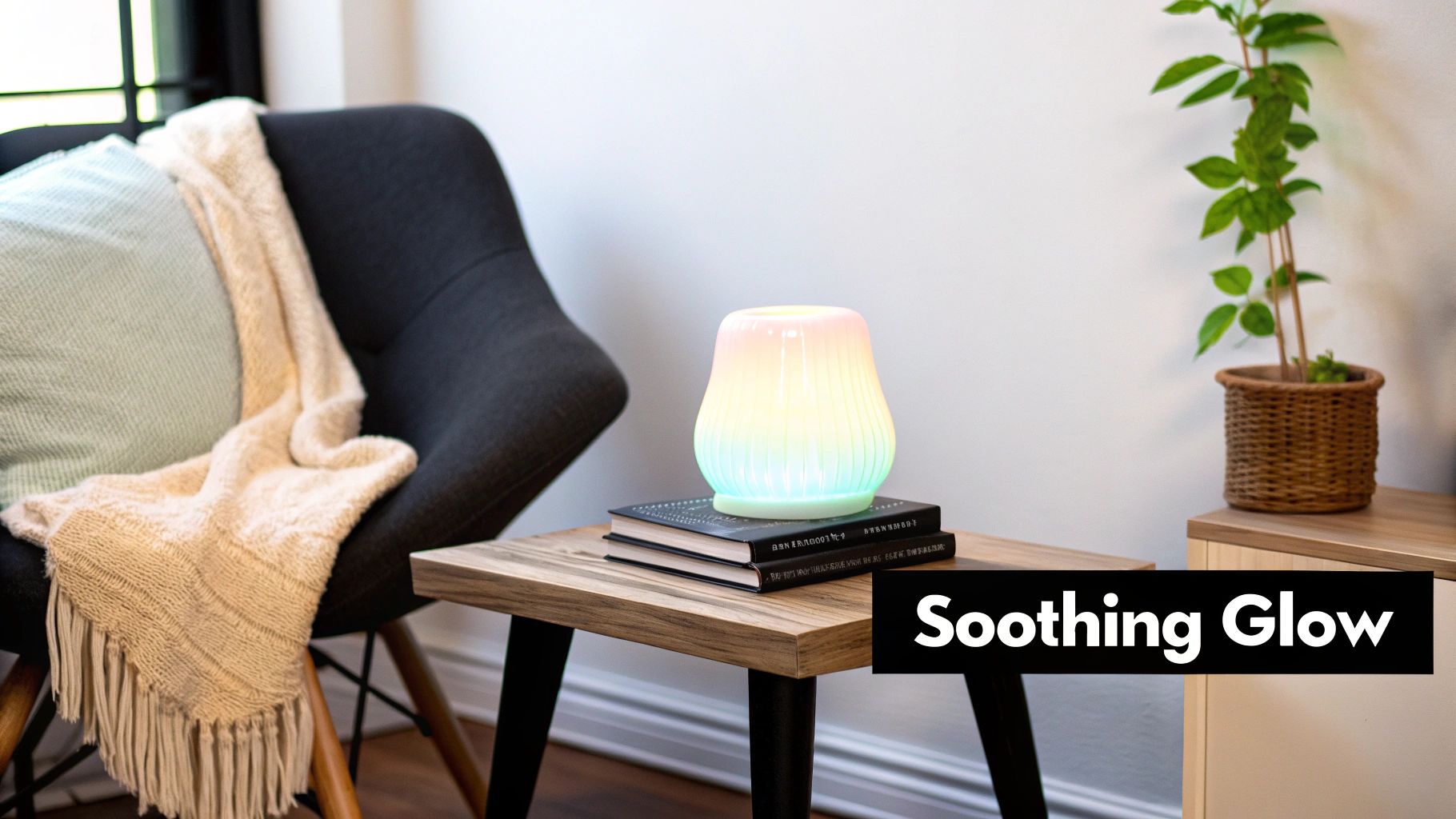
So, how does it work? A fibre optic lamp sends light through a bundle of incredibly fine, flexible strands, usually made of glass or plastic. Imagine them as tiny, glowing highways for light. An energy-efficient LED in the base shines light into the ends of these fibres, and that light travels all the way along each strand until it emerges as a mesmerising dot at the very tip.
The result is a beautiful spray of light points, a stark contrast to a regular lamp that floods a room with direct, often harsh, light. The slow, rhythmic colour changes create a predictable and soothing visual flow, which is incredibly helpful for anyone with sensory processing differences, autism, or anxiety.
A Gentle Focus for an Overstimulated Mind
When the world gets too loud, too bright, or just plain too much, our brains instinctively search for a safe, stable point to focus on. The gentle, shifting colours of a fibre optic lamp provide just that. It's a non-threatening visual that doesn't demand intense concentration yet easily holds attention.
This unique visual anchor can help:
- Reduce Anxiety: The predictable, flowing patterns are reassuring and can help dial down feelings of stress.
- Improve Focus: It offers a calming focal point, which is great for winding down before a task that requires concentration.
- Aid Emotional Regulation: For someone on the verge of or in the middle of a sensory meltdown, the lamp can be a gentle way to redirect attention and begin to self-soothe.
By offering a safe and enchanting visual experience, the fibre optic lamp becomes an essential component for any calming corner or sensory space. It transforms an ordinary room into a peaceful sanctuary, making it a cornerstone among the most effective sensory toys Australia has to offer.
From a quiet corner in a bedroom to a designated chill-out zone in a classroom, this simple device provides a powerful form of visual sensory input. It works brilliantly alongside other tools, like comforting weighted animal toys that provide deep pressure, to create a multi-sensory approach to regulation and calm.
The Science Behind Sensory Calming Lights
Ever wondered how watching gentle, shifting lights can quiet a busy mind? It all comes down to the therapeutic magic of visual sensory input. Our brains are naturally wired to look for patterns, and a fibre optic lamp offers a predictable, non-threatening show that helps an overstimulated nervous system find its balance.
Think about the harsh, direct glare of a standard light bulb or the chaotic flicker of a TV screen—they can be jarring. A fibre optic lamp is the complete opposite. It delivers slow, rhythmic colour changes that give the brain a simple, safe focal point. This reduces the mental clutter and allows the nervous system to switch from a state of high alert to one of rest.
From Visual Input to Emotional Calm
This gentle process is a game-changer for individuals with autism, ADHD, or Sensory Processing Disorder (SPD). For them, the world can often feel like a constant barrage of unpredictable sensory information. The lamp’s predictable patterns create a sense of order and safety.
Here’s how it helps:
- Improves focus: By capturing attention without being overwhelming, it helps filter out distracting background noise and movement.
- Aids emotional regulation: The calming visual input can de-escalate feelings of anxiety or frustration, making it a fantastic tool for a sensory tent or a quiet corner.
- Encourages mindfulness: Simply watching the lights is a grounding activity, helping anyone connect with the present moment and just breathe.
This isn't just a theory; it's sensory science in action. Picture using the lamp as part of a bedtime routine. The soft glow acts as a signal to the brain that it's time to wind down, smoothing out the transition to sleep. It becomes a reliable and comforting cue for relaxation, just like a favourite warm blanket or one of our cuddly Warmies.
The lamp's gentle glow provides a consistent sensory anchor in an often-overwhelming world. It’s a simple yet profound way to support self-regulation and create moments of peace throughout the day.
The Technology Behind the Tranquillity
It's fascinating to think that the same core technology creating this calming visual experience is also revolutionising how we connect to the world. The Australian Optical Network Market, valued at USD 1.07 billion in 2023, is on track to reach USD 1.54 billion by 2029, thanks largely to the massive rollout of fibre-to-the-home internet. This just goes to show how powerful and reliable fibre optics are for transmitting data at mind-boggling speeds.
For a deeper dive into how different sensory inputs can support development from an early age, exploring other sensory play ideas for babies offers a wealth of creative ways to build supportive environments.
Ultimately, the principle is the same whether it's transmitting high-speed data across the country or creating a peaceful oasis in a bedroom. Fibre optics deliver a clean, reliable, and focused stream—be it light for calming or data for connecting. This is precisely what makes the fibre optic lamp such a trusted ally in the world of sensory support and a perfect fit among the growing need for effective sensory toys in Australia.
How to Choose the Right Fibre Optic Lamp
Picking the perfect fibre optic lamp can feel a bit overwhelming, but you can zero in on the right one by focusing on a few key things. I'll walk you through what really matters so you find a lamp that's safe, tough, and just right for your needs.
First up, let’s talk about materials. The base is your starting point. It needs to be solid and weighted. A heavy, non-slip base is an absolute must for safety, especially if you have active kids at home or in the classroom. It stops the lamp from toppling over during moments of excitement or dysregulation.
Next, have a good look at the fibres themselves. You want high-quality, durable plastic strands that are made to be touched and handled. Cheaper options often use brittle fibres that can snap, leaving sharp edges. Always go for a lamp designed for hands-on interaction to ensure it's a safe tactile experience.
Key Features to Look For
Beyond the basics of how it's built, a few specific features can turn a good fibre optic lamp into a fantastic sensory tool.
Any modern lamp worth its salt should use LED technology for its light source. LEDs are brilliant because they use very little power and, more importantly, stay cool to the touch. This completely removes the burn risk that came with old-school halogen bulbs.
A remote control is another game-changer. Being able to easily switch colours, dim the lights, or pick a calming mode—like a slow fade or a gentle twinkle—is crucial for customising the sensory input on the fly. It gives the user control, empowering them to create the exact visual effect that feels right at that moment.
If you're unsure what kind of lighting is needed, this simple decision tree can help point you in the right direction.
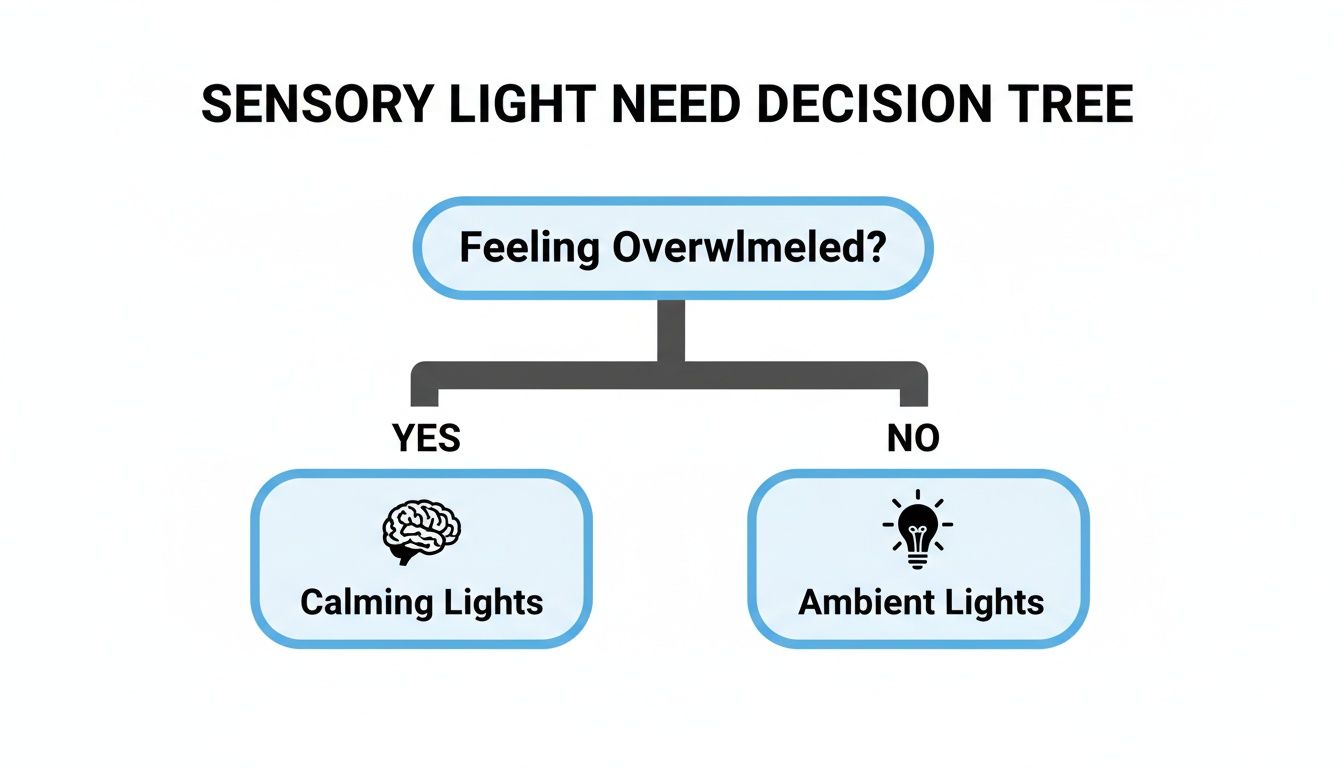
As you can see, when someone is feeling overwhelmed, calming lights from a fibre optic lamp are a fantastic choice. For general mood-setting, standard ambient lighting works well.
Safety Standards and Certifications
Safety should always be your number one priority when buying any electronic device for children, and this is especially true for sensory tools. Here in Australia, it's vital to pick a product that meets our local electrical safety standards.
Always check for proof of compliance, like an RCM (Regulatory Compliance Mark) tick. This little symbol tells you the product has been properly tested and meets Australian safety requirements, so you know its power supply and electronics are safe for your home.
When you invest in a well-made, compliant product, you're getting more than just a pretty light. You're getting a reliable and safe sensory tool.
By keeping an eye out for a sturdy base, durable fibres, LED technology, and the right certifications, you can confidently choose a high-quality Wheelers Lamp optic fibre lamp that will offer years of soothing, mesmerising light. Making a careful choice now means your lamp will become a cherished part of any sensory space for a long time to come.
Getting the Most from Your Sensory Lamp
So, you've just unboxed your new fibre optic lamp. That's the fun part! Now, a little bit of thought into where you put it and how you care for it will make sure it stays a safe and enchanting sensory tool for a long time to come.
Where you place the lamp really matters. For the best effect, pop it in a dedicated quiet space, like a cosy calming corner or tucked inside a sensory tent. A sturdy, low table is perfect, as it keeps the base stable while putting the fibres within easy reach for gentle touch. It's best to keep it out of hallways or busy areas where it might get bumped.
Simple Care for a Long-Lasting Glow
Looking after your lamp is easy, but it's key to keeping those delicate fibres safe and the light shining consistently. A bit of regular, gentle care goes a long way.
Here are a few tips to keep it in top shape:
- Cleaning the Fibres: Switch the lamp off first. Then, you can use a clean microfibre cloth or a new, soft paintbrush to gently dust the strands, working from the base downwards. It’s best to avoid water or any cleaning chemicals on the fibres themselves.
- Untangling Strands: If the fibres get a bit tangled, just use your fingers to carefully separate them. Start at the very ends and slowly work your way back up to the base. If you rush it, you risk bending or snapping the delicate strands.
- Troubleshooting: If the light starts to flicker or the remote isn't working, the first thing to check is the remote's batteries. If that doesn't solve it, make sure the power cord is pushed firmly into the lamp base and the wall socket.
It’s amazing to think this same technology is now so common. In Australia, the fibre optics market is expected to grow by a 5% CAGR from 2025 to 2031, mostly because we all want faster internet. It just goes to show how reliable and powerful this technology is. You can learn more about Australia's expanding fibre optics market and see its bigger impact.
A well-maintained fibre optic lamp is more than just a light; it's a reliable sensory companion. Consistent care ensures it’s always ready to provide that moment of calm when it's needed most, whether in a home, classroom, or clinic.
By taking these simple steps for setup and care, your fibre optic lamp will remain a treasured tool. Its mesmerising glow will help create a peaceful sanctuary, offering a beautiful focus for relaxation and sensory exploration for years to come.
Creative Ways to Use Your Fibre Optic Lamp
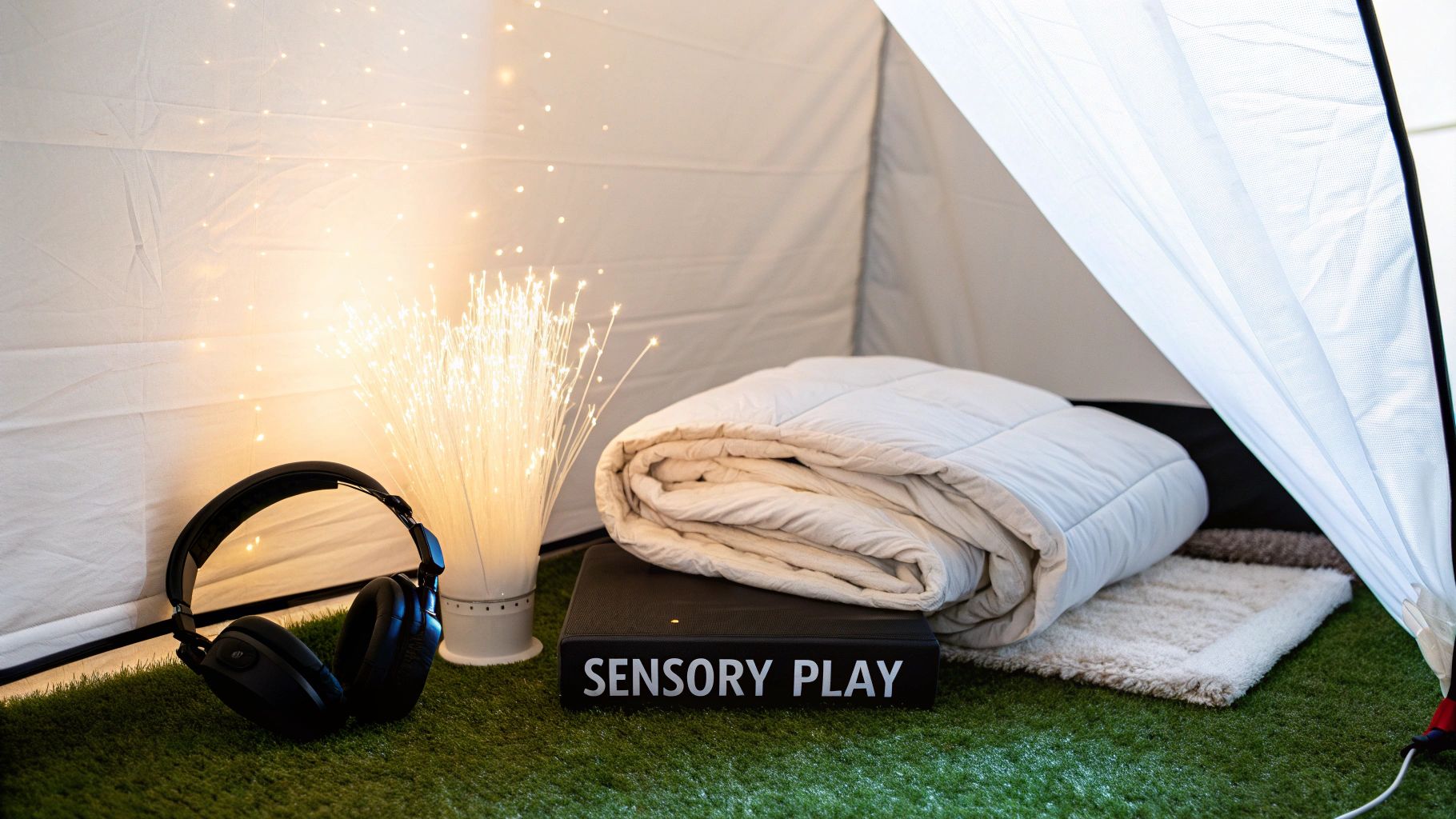
A fibre optic lamp is so much more than just a pretty light. Think of it as an interactive sensory tool. With a bit of imagination, it can go from being a passive decoration to a central part of a daily routine. Here are a few ideas for parents, educators, and clinicians to help unlock its full potential.
One of my favourite ways to use the lamp is as a magical centrepiece for storytelling. Pop it inside a sensory tent, and you instantly create a focused, enchanting little world. The gentle, shifting colours can become anything—a dragon's sparkling cave, a distant galaxy, or a fairy forest. This controlled visual space pulls kids right into the narrative, making stories feel more alive and memorable. If you're looking for more inspiration, you can find great tips on creating a soothing space with sensory toys Australia in our sensory tent.
Guided Breathing and Tactile Play
The slow, rhythmic pulse of the changing colours is a perfect guide for mindful breathing. You can encourage a child to breathe in slowly as the light shifts to cool blues and greens, then breathe out gently as it warms to reds and oranges. It's a simple activity, but having that visual anchor makes abstract concepts like self-regulation feel much more concrete and achievable.
If your lamp has fibres that are safe to touch, gentle tactile play is another brilliant option. Letting your child run their fingers through the soft, pliable strands provides light tactile input that can be incredibly grounding. It's a lovely, calming experience that can help settle an anxious or overstimulated child without being overwhelming.
- Gentle Interaction: Encourage them to simply explore the feel of the fibres.
- Visual Tracking: Slowly move a hand through the strands and ask your child to follow the points of light with their eyes.
- Colour Identification: For little ones, use the lamp as a calm, fun way to identify different colours as they appear. Just like the colourful fun found in Numberblocks toys.
It’s fascinating to see how fibre optic technology has become a part of our homes, both for sensory support and connectivity. Australia’s own broadband market, built on this same technology, is expected to triple from AUD 11.58 billion in 2025 to AUD 34.39 billion by 2034. It just goes to show how integrated these technologies are becoming in our daily lives.
Creating an Immersive Relaxation Zone
To really amplify the lamp’s calming effects, try pairing it with other sensory tools. Combine its soft glow with the deep, reassuring pressure of a Neptune blanket or one of our cosy weighted blankets. This creates a truly immersive relaxation experience. Adding some quiet background music or nature sounds can take the sense of serenity even further.
By layering different sensory inputs, you create a rich, multi-sensory environment that promotes deep relaxation. This approach can be particularly effective during a pre-bedtime wind-down routine or as a de-escalation strategy.
Exploring Other Popular Sensory Lights
While fibre optic lamps are fantastic tools, they’re just one piece of a much bigger puzzle. The world of sensory lighting is wonderfully diverse, and exploring other options can help you build a richer, more dynamic sensory space tailored to specific moods and needs.
Plenty of other lights offer unique calming benefits. Take the graceful jellyfish lamp, for example. It provides a silent, mesmerising display as realistic jellyfish models float gently through the water. This slow, predictable movement is deeply soothing and creates a fantastic visual anchor without any sound, making it perfect for anyone with noise sensitivities.
Bubble Tubes and Volcano Lamps
Another crowd favourite is the bubble tube. These are brilliant because they combine both sight and sound. A steady stream of bubbles rises through a water-filled column, usually lit by colour-changing LEDs. The gentle hum and faint vibration from the pump add a multi-sensory layer that many people find incredibly grounding and rhythmic.
In the same vein, a round mini volcano lamp creates a fascinating visual loop. Tiny red beads erupt from a mini volcano, mimicking a slow, gentle lava flow. This continuous, repetitive motion is both captivating and predictable, offering a calm focal point that can help settle an overstimulated mind. If you want to dive deeper into how different lights can transform a room, our guide on choosing a projector night light has some great tips for creating the perfect calming atmosphere.
Combining different sensory lights allows you to layer visual experiences. You could pair the tactile appeal of a fibre optic lamp with the silent, fluid motion of a jellyfish aquarium lamp to create a comprehensive and deeply relaxing sensory corner.
When you're looking at other popular sensory lights, you might also come across options like the Radiance Floor Corner Lamp with RGBW Lighting, which offers a huge range of colours to set the mood or provide gentle visual stimulation. By understanding what makes each type of light special, you can thoughtfully choose the right tools to support emotional regulation and build a truly peaceful sanctuary.
Your Questions Answered: Getting to Know Fibre Optic Lamps
It's completely normal to have a few questions when you're looking for the right sensory tool. Let's walk through some of the most common queries we get about fibre optic lamps so you can feel confident you're making the best choice for your family.
Are Fibre Optic Lamps Safe for Children?
Yes, they absolutely are—as long as you choose a quality lamp designed specifically for sensory use. These lamps are built with safety as the top priority. They use modern LEDs that run cool, meaning the base of the lamp won't get hot, even after hours of use.
The fibres themselves are made from non-toxic, durable materials, so they’re safe for little hands to touch and explore. For complete peace of mind, always look for a lamp that meets Australian safety standards.
How Much Energy Do They Use?
You'll be happy to know they're incredibly energy-efficient. A single, low-wattage LED bulb is all it takes to light up hundreds of beautiful strands.
This means a fibre optic lamp often uses less electricity than a typical night light, making it a budget-friendly way to create a calming sensory space for as long as you need.
Can I Leave the Lamp on All Night?
Definitely. Their low-energy LED light source and cool-to-the-touch design make them perfectly safe to leave on overnight. Many parents find they work wonderfully as calming night lights.
A continuous, gentle glow can be a real comfort for anxious sleepers, helping to soothe them to sleep and make any middle-of-the-night wake-ups feel a little less jarring.
The main difference between a small and a large fibre optic lamp comes down to visual impact and the sheer amount of fibres to interact with. A larger lamp creates a more immersive cascade of light and offers a bigger tactile surface, making it an amazing centrepiece for a sensory room or classroom corner.
Here at Sensory Poodle, our mission is to help you find the perfect tools to bring more calm and joy into your home. We've carefully selected every item in our collection for families just like yours, right here in Australia.
Discover our range of sensory solutions at Sensory Poodle today!