


A Parent's Guide to Choosing the Right Kids Heat Pack

A kids heat pack is so much more than just a cuddly source of warmth. It’s a wonderfully effective sensory tool, designed to give gentle, comforting heat that can help soothe an overstimulated nervous system. Often disguised as a plush toy animal, these packs offer a simple way to create feelings of safety and security, especially for neurodiverse children. At their core, they’re all about sensory regulation and emotional support.
The Soothing Power of a Warm Hug
Think about the feeling of a warm, reassuring hug when you’re having a rough day. That gentle pressure and comforting warmth almost instantly help you feel safer and more grounded. A kids heat pack delivers that same therapeutic blend of warmth and gentle weight, speaking directly to a child's nervous system in a way words often can't.
For many children, particularly those who are autistic or have sensory processing differences, this physical sensation can be a powerful anchor in a world that frequently feels overwhelming.
When a child is feeling anxious, overstimulated, or heading towards a meltdown, their 'fight or flight' response is dialled way up. The gentle heat from the pack helps to counter this by increasing blood flow and relaxing tight muscles. This physical release sends a message back to the brain that it’s safe to calm down, helping to turn down the volume on those intense emotions.
More Than Just a Toy
While many heat packs for kids look like adorable plush animals, it’s helpful to think of them as genuine therapeutic tools. They’re designed to be a key part of a child’s sensory toolkit, ready to provide on-demand comfort whenever it’s needed most.
- Emotional Regulation: Holding onto something warm and soft provides a physical focus point, helping a child navigate big feelings without becoming completely swamped by them.
- Sensory Input: The mix of soft texture, gentle warmth, and sometimes a calming lavender scent offers sensory input that is both predictable and soothing.
- Building Routines: Weaving a heat pack into daily routines, like bedtime or a post-school quiet time, helps create a comforting ritual. That predictability can be incredibly reassuring for a lot of kids.
Think of it as a portable calming corner. Whether it's sitting on their lap during homework to help with focus, held close during a car ride to ease travel anxiety, or snuggled at night to help with sleep, a heat pack offers a consistent source of comfort.
These versatile aids come in all sorts of shapes and sizes, from beloved brands like the cuddly Warmies® to simpler, practical pads. They’ve become a must-have for countless Australian families, educators, and therapists who know that sometimes, the simplest solutions really are the most effective. By providing a tangible source of comfort, a kids heat pack empowers children to self-regulate, building their confidence and resilience one warm hug at a time.
Choosing the Right Cuddle: A Guide to Kids' Heat Packs
Trying to figure out which heat pack is right for your child can feel a bit like Goldilocks searching for the perfect bowl of porridge. You’ve got a few options, and each one offers something a little different in terms of comfort, convenience, and sensory experience.
Let's walk through the three main players you’ll find on the market in Australia: microwavable plush toys, classic wheat bags, and those versatile hot/cold gel packs. Knowing the ins and outs of each will help you pick the one that's just right for your little one.
Microwavable Plush Toys
This is where therapy meets playtime. Microwavable plush toys are a brilliant invention because they hide therapeutic warmth inside a familiar, cuddly friend. It's a game-changer for so many kids.
Brands like Warmies® have really nailed this, creating a whole zoo of adorable animals you can pop straight into the microwave. They're cordless, wonderfully soft, and the gentle weight they provide is incredibly soothing for an anxious or overwhelmed child. It's this combination of warmth, weight, and a huggable shape that makes them feel less like a 'tool' and more like a companion. For a child who might shy away from something that looks a bit medical, a friendly face like the Warmies® Brown Puppy can make all the difference.
Traditional Wheat Bags
Ah, the classic wheat bag. Simple, effective, and trusted for generations for a good reason. These bags, often filled with wheat, lupin, or rice, are another fantastic microwavable option. They have a lovely way of moulding to the body, delivering a gentle, slightly moist heat that works wonders on sore muscles or a niggly tummy ache.
From a sensory perspective, their weight and texture can be very grounding. The main drawback? They don't have the same playful look as a plush toy, which means they might not capture the imagination of a younger child. They're a practical, no-fuss choice for targeted relief.
Reusable Gel Packs
Gel packs are the multi-taskers of the heat pack world. Pop one in the microwave for warmth or in the freezer for a cold pack—their versatility is their biggest strength. This dual function makes them super handy for everything from soothing growing pains to taking the sting out of a bumped knee.
The catch, however, is their feel. The plastic exterior can feel a bit clinical and might not be appealing for children with tactile sensitivities. They just don't offer that same soft, comforting experience you get from a plush toy or a natural wheat bag. They’re best kept in the first-aid kit for practical applications rather than for day-to-day comfort and emotional regulation.
To make things even clearer, here’s a quick breakdown of how these options stack up against each other.
Kids Heat Pack Comparison Guide
This table gives you a quick snapshot of the most common types of heat packs for children, helping you compare them based on safety, their best use case, and sensory appeal.
| Heat Pack Type | Best For | Safety Considerations | Sensory Appeal |
|---|---|---|---|
| Microwavable Plush Toy | Emotional regulation, bedtime routines, anxiety, and general comfort. | Follow heating instructions precisely to avoid overheating. Ensure no rips or tears in the fabric. | High. Combines warmth, gentle weight, and a soft, cuddly texture. The animal shape is comforting. |
| Traditional Wheat Bag | Soothing muscle aches, period pain, and targeted pain relief. | Risk of hot spots if not shaken well. Can develop a musty smell over time if not stored properly. | Medium. The weight is grounding and the grain texture can be pleasant. Lacks the "friend" factor. |
| Reusable Gel Pack | First-aid applications (bumps, bruises, swelling), both hot and cold therapy. | Can get very hot or cold; always use a protective cover. Check for leaks before use. | Low. The plastic texture can be off-putting for sensory-sensitive kids. Not "cuddly." |
Ultimately, it's about matching the heat pack to your child's personality and what they need in the moment.
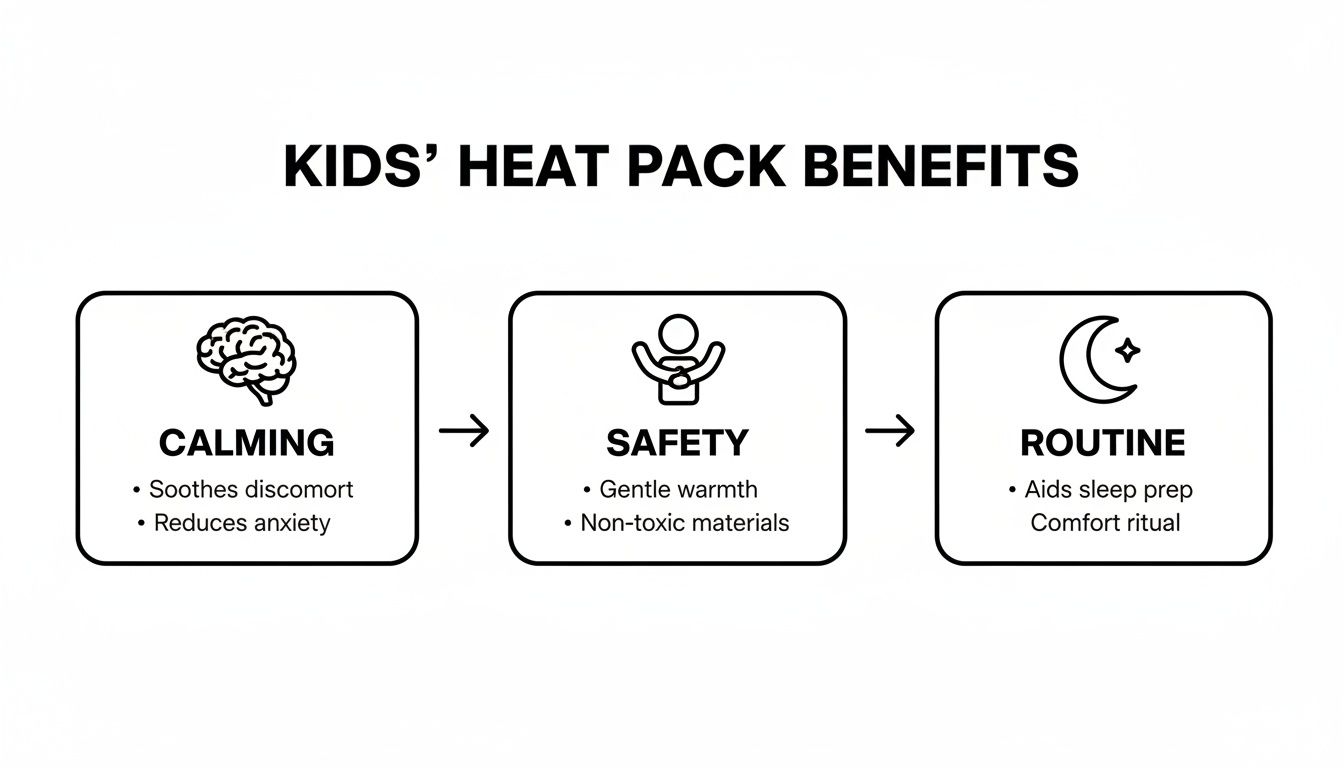
As this infographic shows, the real magic happens when a heat pack helps calm the nervous system and becomes a predictable part of a routine, offering safe and reliable sensory support when it's needed most.
For children with sensory needs, how something feels is every bit as important as the warmth it provides. A plush heat pack is an inviting, non-threatening way to introduce that therapeutic warmth, making it a clear favourite for emotional support and security.
So, what’s the verdict? If you’re looking for a tool that delivers both physical warmth and a big dose of emotional security, a microwavable plush animal is hard to beat. For straightforward aches and pains, a wheat bag is a reliable old friend, and for your first-aid kit, a gel pack offers brilliant, practical support.
Putting Safety First With Heat Pack Usage
When you bring a kids heat pack into your home, you’re introducing a fantastic source of comfort. But with that comfort comes a big responsibility: using it safely. Child safety is absolutely non-negotiable, and getting your head around the potential risks, especially with anything that goes in the microwave, is the first step to worry-free warmth.
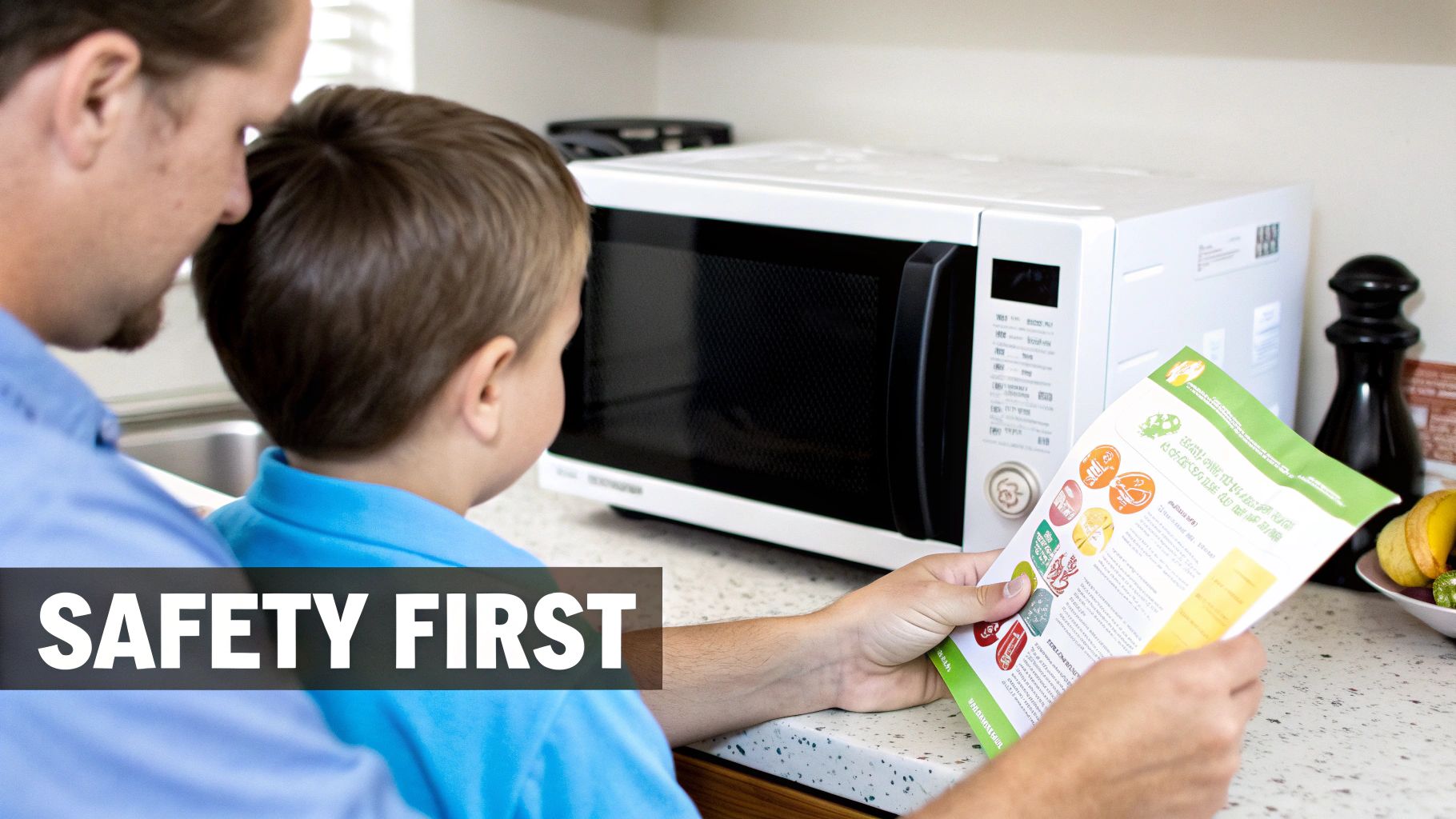
The single biggest risk, without a doubt, is overheating. Popping a wheat bag or a plush toy like a Warmies® in the microwave for too long can make the filling dangerously hot, which can lead to serious burns. In extreme cases, a pack that’s been zapped for too long can even smoulder and catch fire.
And this isn't just a hypothetical problem. Here in Australia, real-life incidents have shown just how important it is to get this right. Safety concerns around children's heat packs have led to some critical reforms, and for good reason. Since 2012, 27 burn victims have been treated in NSW alone, and that figure includes kids. Almost 50% required surgery and long-term scar management—a devastating reality check for any parent.
The Therapeutic Goods Administration (TGA) has also documented at least 12 adverse events ranging from minor burns to severe injuries and even house fires started when overheated packs ignited bedding. If you want to dive deeper, you can discover more insights about these safety reforms.
Following the Rules for Safe Warming
To help tackle these risks, a voluntary Australian/New Zealand Standard for microwavable heat packs was introduced. Any reputable product will come with crystal-clear instructions, and it is absolutely crucial to follow them to the letter.
- Check the Wattage: Not all microwaves are created equal. Always check the manufacturer's instructions, as they’re usually based on a specific wattage (like 800W or 1000W).
- Stick to the Time Limit: For most plush toys, the recommended heating time is somewhere between 60 and 90 seconds. Never, ever be tempted to add "just a little bit longer."
- Always Supervise: A child should never be allowed to heat a pack themselves. An adult needs to manage the process and always test the temperature before handing it over.
- Let it Cool Completely: Never reheat a pack until it has fully returned to room temperature. Trying to reheat a pack that’s still a bit warm is a shortcut to overheating.
A huge part of using heat packs safely also involves knowing how to tell if a baby is too hot, which helps prevent overheating and keeps them comfortable.
Regular Checks Keep Kids Safe
Over time, even the most well-loved heat pack can start to show its age. It’s a great idea to get into the habit of giving your child’s heat pack a quick inspection now and then.
Look for any small tears in the seams, spots where the fabric is getting thin, or a faint burning smell when it’s heated. These are all warning signs that the heat pack is past its best and needs to be replaced straight away.
By treating a kids heat pack with the same respect you would any heating appliance, you can ensure it remains a safe, cherished, and genuinely helpful part of your child’s calming toolkit.
The Therapeutic Power of Warmth for Neurodiverse Kids
For children, particularly those who are autistic or have sensory processing differences, the world can feel incredibly loud, bright, and overwhelming. In those moments of sensory overload, the gentle warmth from a kids heat pack can be a surprisingly powerful tool, offering a tangible sense of calm when they need it most.
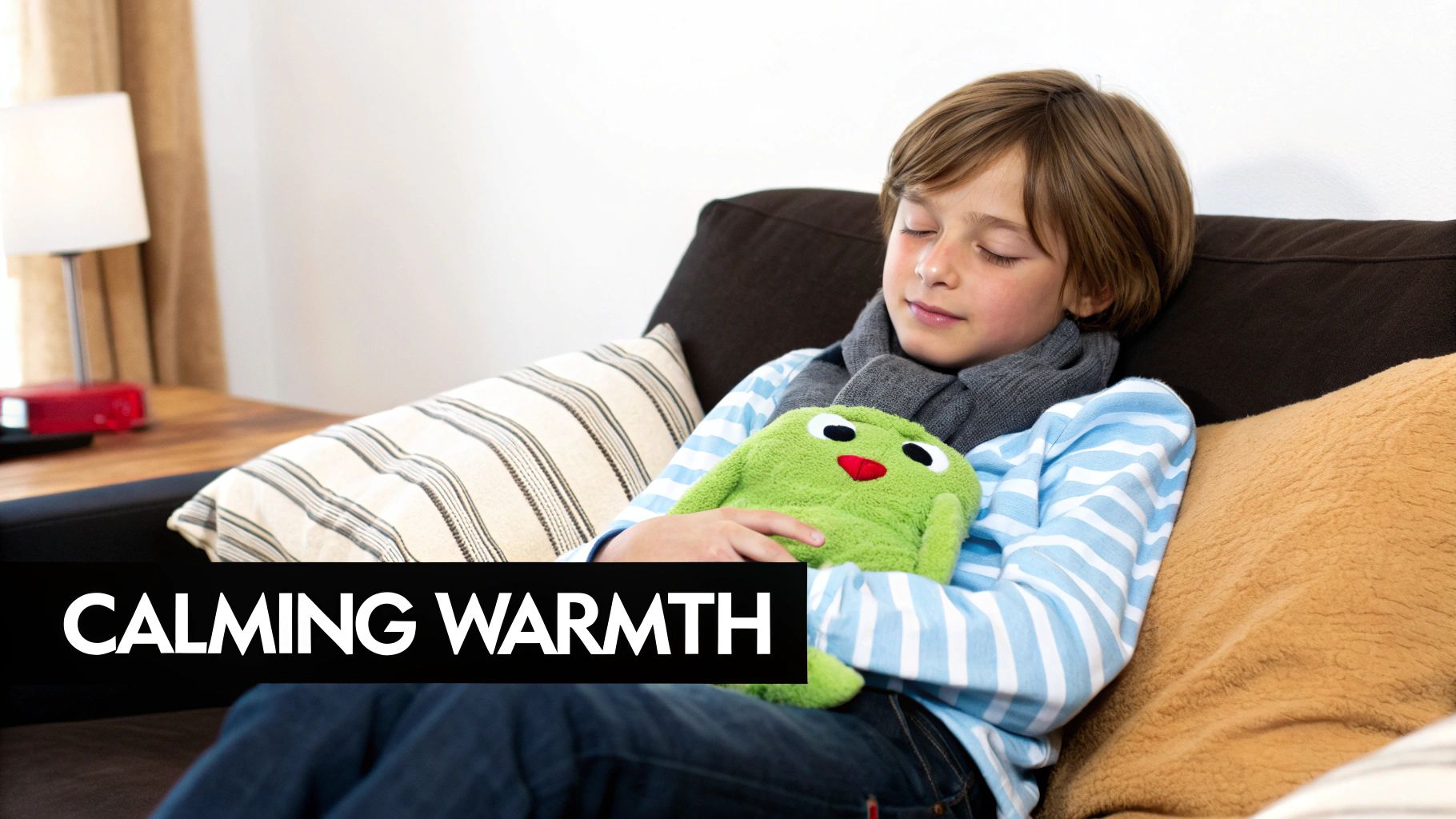
It’s all about how our bodies respond to sensory input. The combination of consistent warmth and light pressure helps to activate the parasympathetic nervous system—our body's natural "rest and digest" mode. This simple physical act can help de-escalate rising anxiety or even head off a potential meltdown by giving the brain a grounding, predictable sensation to focus on.
This physical warmth connects directly to our deep-seated need for emotional comfort, creating a feeling of safety and security. It gives a child something solid to hold onto, helping them anchor themselves during a stressful situation instead of being swept away by it.
Integrating Warmth into Daily Routines
The real magic of a kids heat pack is just how versatile it is. You can easily weave it into daily life to provide consistent support, turning tough moments into opportunities for self-regulation.
Here are a few practical ways to use one:
- Improving Focus: Placing a warm pack on a child’s lap during homework or table-time can provide the gentle, calming input they need to reduce fidgeting and stay on task.
- Easing Transitions: For kids who find change difficult, holding a warm pack during a car ride or before walking into a new place can offer a comforting, familiar anchor.
- Creating a Calming Bedtime Ritual: Adding a warm pack to the bedtime routine is a great physical cue that tells the body it's time to wind down. When paired with other sensory toys in Australia, like a mesmerising jellyfish lamp or a weighted blanket, it helps create a powerful, sleep-friendly environment. We actually have a whole guide explaining how weighted blankets can help with anxiety if you'd like to learn more.
A warm pack helps a child learn to recognise their body's need for calm and gives them a safe way to meet that need. It’s a foundational tool for building self-awareness and emotional resilience. It’s also a key part of developing effective strategies for self-soothing in children, providing a broader framework for emotional regulation.
This growing understanding of sensory tools is something we’re seeing right across the country. In Australia, the heating pad market—which includes these safe, microwavable heat packs perfect for kids—has seen a steady climb in demand from families looking for comforting, non-medicated relief. This trend highlights just how valuable sensory tools are becoming, especially with NDIS funding making vetted items more accessible for the families who need them.
How to Select the Perfect Heat Pack for Your Child
Choosing the right kids heat pack is all about tuning into your child’s unique sensory profile. With so many options out there, thinking through a few key factors can help you find the perfect match that delivers comfort, calm, and security when they need it most.
This decision goes way beyond just picking a cute design; it’s about selecting a therapeutic tool that truly fits their needs. The good news is that finding these tools is easier than ever. With 147 online medical supplies businesses thriving in Australia's $797.5 million market, platforms like Sensory Poodle make it simple for families to access high-quality sensory products. This growth means parents and caregivers can more easily find and purchase NDIS-fundable items, like calming plush heat packs, that are so vital for self-regulation. You can read more about the Australian heating pad market outlook to understand this trend.
Considering Size and Weight
First things first, think about how your child will use the heat pack. Is it for settling down on the couch? A larger, heavier pack that can rest on their lap might be perfect for providing that grounding pressure during homework or quiet time. Consider pairing it with a comforting weighted animal toy for extra sensory input.
On the other hand, a smaller, lighter plush animal could be a much better companion for cuddling at bedtime or carrying around for on-the-go comfort.
Choosing the Right Filling and Fabric
What's inside a heat pack is just as important as the outside. Many are filled with natural grains like wheat or lupins, which give off a gentle, moist heat. Others use tourmaline or glass beads—these are often unscented and a fantastic option for children who are sensitive to smells.
The fabric is a critical sensory consideration. You know your child best, so think about what textures they find soothing.
- Soft Plush: This is often a go-to for its cuddly, comforting feel, making it perfect for kids who seek out soft textures.
- Smooth Cotton: For children who are sensitive to or overwhelmed by fuzzy textures, a smooth, breathable cotton cover might be far more calming.
The Added Touch of Aromatherapy
Many heat packs, especially plush toys like Warmies®, are infused with a gentle lavender scent. Lavender is well-known for its calming properties, and its subtle aroma can really boost the soothing effect of the warmth. This makes it a brilliant addition to a bedtime routine.
However, if your child is sensitive to smells, an unscented option is definitely the safer choice. For more ideas on creating a supportive environment, check out our guide on sensory tools for autism.
To find the ideal heat pack, ask yourself: Does my child prefer gentle weight or something light to hold? Are they sensitive to textures or smells? Answering these questions will guide you to a choice that truly supports their sensory needs.
Your Questions About Kids Heat Packs Answered
As a parent or caregiver, you're always looking for safe and effective ways to comfort your child. When it comes to sensory tools like heat packs, it's natural to have questions. To help you feel completely confident, we’ve put together answers to some of the most common queries we hear from families across Australia.
How Long Does a Kids Heat Pack Stay Warm?
This really depends on the type of heat pack and what it’s filled with. A high-quality, microwavable plush toy, like one from the Warmies® collection, is designed to offer gentle, therapeutic warmth for about 30 to 45 minutes.
That timeframe is actually by design. It's long enough to soothe anxiety, help a child drift off to sleep, or take the edge off a tummy ache, but it doesn't carry the prolonged burn risk that an electric pad might. The heat fades away gradually, which is a crucial safety feature, especially when it’s being snuggled at bedtime.
Can I Use a Heat Pack for Tummy Aches or Growing Pains?
Absolutely! A kids heat pack is a fantastic, drug-free way to soothe those common childhood discomforts. The gentle warmth helps increase blood flow to the sore spot, which can relax cramping tummy muscles or ease that dull throb of growing pains in their legs.
It’s as simple as having your child rest with the warm pack on their tummy or legs. The combination of warmth and gentle pressure offers not just physical relief but a huge amount of emotional comfort, distracting them from the pain and making them feel nurtured.
Are Kids Heat Packs NDIS Fundable?
Yes, in many cases, they can be. A kids heat pack is often seen as a sensory tool that helps with emotional regulation and managing anxiety. These are common goals within NDIS plans, especially for autistic children or those with sensory processing differences.
These products typically fall under the Consumables budget in your child's NDIS plan, sometimes listed as 'Low-Cost Assistive Technology for Self-Care'. It's always a good idea to chat with your plan manager or support coordinator to confirm the best way to purchase these items using your NDIS funding.
How Do I Clean a Plush Heat Pack?
Keeping your child’s favourite cuddly companion clean is simple, but you need to do it correctly. Because of the natural grains inside, most plush heat packs are surface-clean only.
Just follow these easy steps:
- Grab a damp cloth or sponge and a tiny bit of gentle soap.
- Gently wipe the surface of the plush toy. Try not to get it soaking wet.
- Use a second clean, damp cloth to wipe off any soap.
- Let the heat pack air dry completely before you use it again.
Crucial Tip: Never, ever submerge a microwavable plush toy in water. This will ruin the filling and could make it unsafe to heat up. Always check the manufacturer’s care label for specific instructions.
At The Sensory Poodle, we know that finding the right sensory tools can truly make a world of difference. Our hand-picked selection of safe, high-quality kids heat packs and other sensory aids is here to support your family's journey.
Explore our full range of calming sensory toys and tools today.