


A Guide to Fidget Toys for School in Australia

When we talk about fidget toys for school, we're not talking about noisy distractions. We mean quiet, discreet tools specifically designed to help a child concentrate. By choosing the right options, we can help kids manage their anxiety and sensory needs, turning what could be a disruption into a powerful learning aid. Sourcing the right sensory toys australia can make a significant difference in a child's educational journey.
Why Fidget Toys Are Becoming Essential Classroom Tools
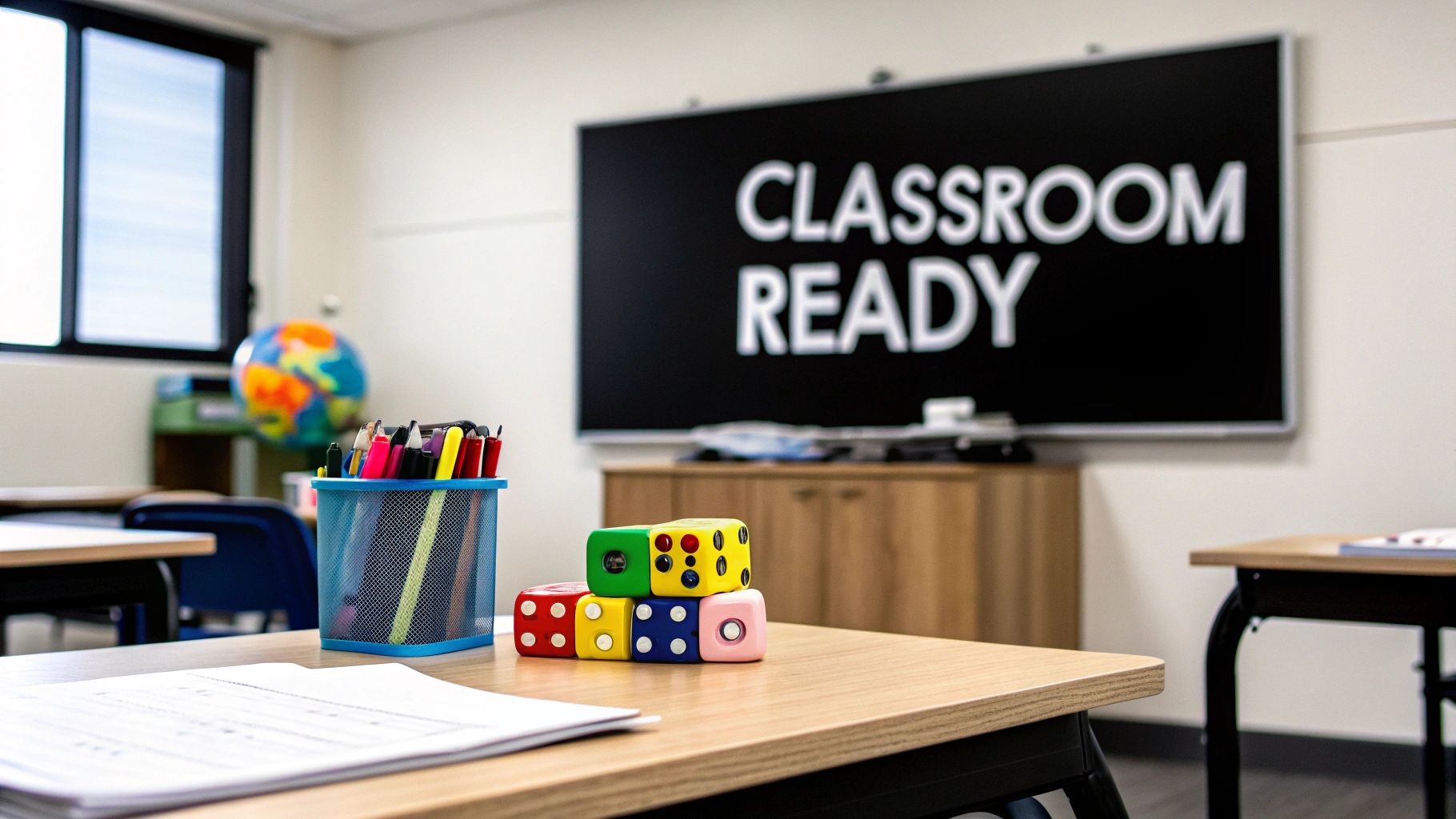
The conversation around fidget toys in Australian classrooms has come a long way. Not too long ago, the term probably made you think of flashy, noisy gadgets that created more problems than they solved. This idea really took hold around 2017 with the fidget spinner craze, which understandably led many schools to put their foot down.
Back then, reports showed that over 80% of primary schools in NSW and Victoria brought in rules to manage or even ban fidget spinners. Why? Because educators saw that up to 70% of students were treating them like toys instead of tools, which meant it was time to rethink their place in the classroom.
Moving Beyond Distraction to Support
These days, both parents and educators are looking beyond that history to see the real value of sensory tools. The focus has moved from trendy gadgets to thoughtfully designed aids that genuinely help students concentrate, handle anxiety, and meet their sensory needs without disrupting the lesson. Popular brands like Bluey merchandise and Numberblocks are now part of a broader sensory approach to learning and play.
This shift in thinking frames fidgets not as toys, but as essential supports. This is especially true for students with ADHD, autism, or any kind of sensory sensitivity. When a child’s brain is craving movement or tactile feedback, giving them a quiet, appropriate outlet is often the secret to keeping them engaged and focused.
A classroom-ready fidget toy works by giving the part of the brain that needs sensory input a quiet job to do. This frees up the rest of the brain to focus on learning and listening. It’s a tool for self-regulation, not a toy for entertainment.
The Rise of Classroom-Ready Sensory Tools
The new wave of fidget toys for school is all about being purposeful and discreet. Unlike the disruptive gadgets of the past, today's best options are silent, small, and can be used without anyone else even noticing. Think of a silent, squeezable Needoh or a discreet metal Kaiko Fidget that fits perfectly in the palm of a hand. Even plush toys like Palm Pals Australia can offer quiet comfort.
Choosing the right tool can make a huge difference in a child's school day, helping them feel calmer and more ready to learn. When used correctly, fidgets are powerful aids for self-regulation. To understand the bigger picture of how these tools fit into a supportive school environment, it’s worth exploring broader strategies for social and emotional learning (SEL). This knowledge helps build a classroom where every child can thrive.
How Fidgeting Can Unlock a Child's Focus
Ever found yourself clicking a pen during a long meeting or doodling while on the phone? It might feel like a random habit, but it's actually your brain's clever way of keeping itself alert and engaged. It's the exact same principle for kids in the classroom, and it’s the secret behind why fidget toys for school can be so effective.
A simple, repetitive movement can do wonders for self-regulation. Think of it as a quiet background process that keeps the restless, "I need to move" part of the brain busy. This subtle physical outlet frees up mental energy to focus on what the teacher is saying, absorb new ideas, and actually participate in the lesson.
The Science of Sensory Input
At its heart, fidgeting is all about managing sensory information. A classroom is a sensory minefield—there are constant sounds, visual distractions, and the hum of social interaction. For some kids, especially those with sensory sensitivities, this can all become overwhelming. Their brains might start craving extra sensory input just to feel grounded, or they might need a way to block out all the noise. For instance, the gentle motion of a Jellyfish lamp can provide a calming visual anchor in a quiet corner.
A quiet, discreet fidget toy offers a steady, predictable physical sensation. This tactile feedback can be incredibly calming, helping to lower anxiety and stop a child's mind from wandering off. It gives the nervous system a simple, manageable job to do, which in turn helps organise the brain for more complex tasks like learning. This whole process is explained well by concepts like the cognitive load theory, which looks at how our brains handle information.
Fidgeting isn't a distraction from learning; for many children, it's a pathway to it. By providing a controlled physical outlet, a fidget tool can anchor a child's attention and make them more available for instruction.
From Restlessness to Readiness
When a child's natural need for movement or sensory feedback isn't met, that energy has to go somewhere. It often shows up as rocking on a chair, tapping pencils loudly, or poking the person next to them. These aren't signs of a "naughty" kid; they're just a brain's desperate attempt to self-regulate. Giving them a designated fidget toy for school channels that energy in a much more helpful way.
- It provides an outlet: Instead of unfocused wiggling, they can quietly squeeze a stress ball or twist a silent metal fidget.
- It reduces anxiety: The predictable, repetitive motion is soothing and can help manage stress before it bubbles over.
- It improves focus: By giving the brain the sensory input it's looking for, it frees up the child to direct their attention to the lesson at hand.
This simple shift helps turn what could be seen as "problem behaviour" into a proactive tool for engagement. When we understand the 'why' behind the fidget, we can give kids the support they truly need to thrive. For a closer look at how these tools can specifically help with attention challenges, you can find more on sensory toys in Australia for kids with ADHD.
Of course, it’s not always a straightforward fix. Australian special education research shows just how much results can vary from child to child. One analysis, for example, found that while fidget spinners helped three students with ADHD increase their on-task behaviour from 52% to 71% during maths, their teachers didn't see an improvement in work completion. In fact, one student’s output actually dropped by 10%. It’s a powerful reminder that finding the right tool for the individual is absolutely key.
How to Choose the Right Fidget Toy for a Classroom
Not all fidgets are created equal, especially when you bring them into a busy classroom. Picking the right fidget toys for school isn’t about finding a fun gadget; it’s about choosing a purposeful tool that helps a child focus without distracting everyone else. The real goal is to find something that meets their sensory needs quietly and discreetly.
The secret is matching the toy to the specific sensory input a child is looking for. For a student who needs that constant touch-based feedback, a small, silent option like one of the popular Kaiko Fidgets can be a game-changer. They’re durable, designed for quiet, one-handed fiddling. On the other hand, for a child who settles with deep pressure, a soft, squeezable toy like a Needoh ball gives them a silent way to release tension during class time.
This simple flowchart shows how the right tool can turn that restless energy into genuine concentration.
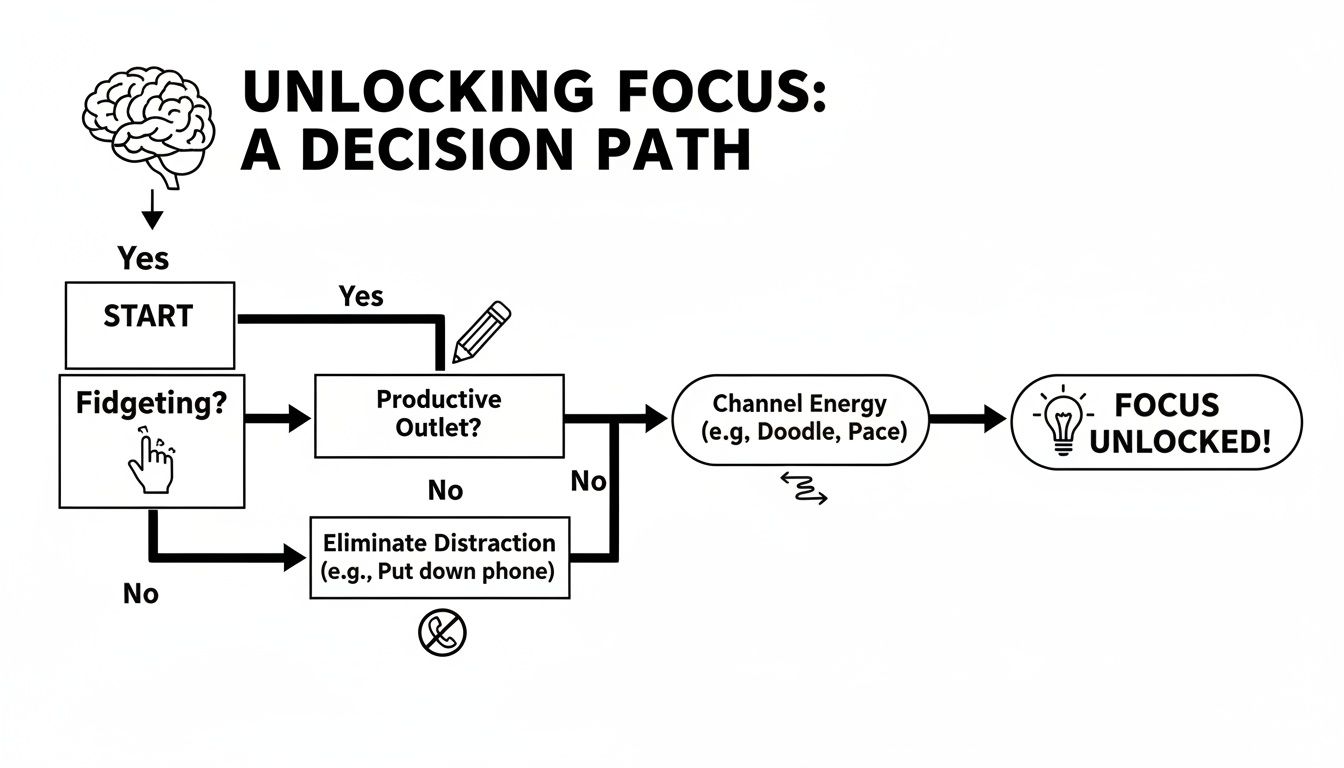
As you can see, when we give kids a quiet outlet for that physical energy, it can clear the way for better learning. It’s a surprisingly powerful strategy for success in the classroom.
Key Factors for Classroom-Ready Fidgets
When you’re trying to find a fidget toy that will actually work in a school setting, there are a few non-negotiable features to look for. Focusing on these will make sure the tool is a supportive aid, not just another disruptive toy for the student or their classmates.
- Silence is Golden: The toy has to be completely silent or make almost no sound. Any clicks, whirs, or pops are guaranteed to draw the wrong kind of attention.
- One-Handed Operation: A great school fidget can be used with one hand, leaving the other free for writing, typing, or flipping through a book.
- Discreet Size: It needs to be small enough to fit in a child’s hand or pocket. The idea is for them to use it without making a big show of it.
- Durability and Safety: Classroom fidgets take a beating. They need to be tough enough for daily use and, of course, made from safe, non-toxic materials.
A truly effective classroom fidget should be a "hand tool, not an eye toy." Its job is to provide background sensory input that allows a student's eyes and mind to stay focused on the teacher and the lesson.
For parents and teachers figuring this out for the first time, it also helps to think about the child's age and specific needs. You can dive deeper into this with our guide on tips for choosing sensory toys by age group.
A Comparison of Fidget Toys for School Use
To make choosing a bit easier, let's compare some of the most common fidget types and see how they stack up for school use. This table breaks down the key features, helping you make a confident choice that will genuinely support a student on their learning journey.
Classroom Fidget Toy Comparison
| Fidget Toy Type | Noise Level | Discretion Level | Primary Sensory Input | Best For | Example Product |
|---|---|---|---|---|---|
| Metal Fidgets | Very Low | High | Tactile, Proprioceptive | Quietly rolling, twisting, and manipulating for focus and calm. | Metal Bike Chain Fidget |
| Squeeze Balls | Silent | High | Proprioceptive, Tactile | Squeezing to relieve stress and anxiety during seated activities. | Needoh Nice Cube |
| Putty or Dough | Silent | Moderate | Tactile, Proprioceptive | Stretching and moulding to keep hands busy during listening tasks. | Thinking Putty |
| Wearable Fidgets | Silent | Very High | Tactile, Oral Sensory | Discreet sensory input through chewing or touching textures on jewellery. | Chewable Pendants |
| Fidget Spinners | Low-Moderate | Low | Visual, Vestibular | Can be visually distracting; generally not ideal for classroom focus. | Classic Fidget Spinner |
| Pop-It Style Toys | Moderate | Low-Moderate | Auditory, Tactile | The popping sound can distract others; better for break times. | Mario Electronic Pop It |
By carefully weighing up these factors—noise, discretion, and the specific sensory need—parents and educators can pick fidget toys for school that become powerful allies in a child's education. The right choice empowers a student to self-regulate, helping them feel more grounded, focused, and ready to learn.
Setting Up Clear Fidget Rules for School Success
Even the best, most classroom-friendly fidget toy is only as good as the rules that come with it. For these tools to work as genuine learning aids and not just another distraction, we need to set clear expectations right from the start. This simple step is what turns a potential disruption into a powerful tool for focus.
The trick is to frame the conversation around what the fidget is for. It's not a toy for playtime; it's a tool to help the brain get ready to learn. When parents, teachers, and students are all on the same page, we can create a framework that supports everyone and makes sure the fidget serves its real purpose.
The Golden Rule: Hand Tools, Not Eye Toys
The single most important boundary to set is that fidgets are "hand tools, not eye toys." It’s a simple phrase that kids really get, and it instantly clarifies the expectation. A fidget should keep a student's hands busy while their eyes and attention stay locked on the teacher, the whiteboard, or their work.
If a child is constantly looking down at the fidget, flicking it in the air, or trying to show it to their friends, it’s crossed the line from a tool into a toy. This principle is the bedrock for all other rules and keeps the focus where it needs to be: on learning.
We saw exactly why clear rules are so vital during the fidget spinner craze. Between 2017 and 2018, Aussies bought a whopping 1.2 million units, and the chaos that followed in classrooms led to bans in about 75% of public primary schools. This history is a stark reminder of why setting boundaries is non-negotiable. If you're curious about the data behind this, you can explore the insights on the attention trade-off with fidget spinners.
Creating a Simple Fidget Contract
For a fidget tool to really work, the student has to feel a sense of ownership and responsibility. A "fidget contract" is a fantastic way to do this. It doesn't have to be some formal, scary document—it can be as simple as a list of rules that everyone sits down and agrees on together.
Here are a few key points you'll want to include:
- The Fidget Stays in My Hand or on My Desk: This rule stops the fidget from being thrown, dropped, or passed around. It keeps the tool in the student's personal space where it belongs.
- It Must Be Silent: A fidget should never make noise that could distract other kids or the teacher. This is where choosing a quiet tool like a metal fidget over a clicky one really matters.
- My Eyes Stay on the Teacher: This brings it right back to the "hand tool, not eye toy" principle, reminding the student where their focus should be.
- The Fidget is Just for Me: Fidget tools are individual supports, not things to be shared around. This rule prevents them from becoming a social distraction.
- The Teacher Can Ask Me to Put It Away: This is crucial. It establishes the teacher’s authority and provides a clear consequence if the rules aren't being followed, ensuring they remain in control of the classroom.
This simple agreement helps the student understand their role in using the tool responsibly. It's empowering because it makes them part of the solution, rather than just handing them an object with a bunch of commands.
By setting clear boundaries, we teach students a valuable lesson in self-regulation. They learn to recognise when they need the tool and how to use it appropriately to support their own learning without impacting others.
Weaving Fidgets into a Supportive Classroom
Of course, these rules don't exist in a vacuum. They are most effective when they’re part of a bigger plan for creating a supportive sensory classroom. When a teacher understands sensory needs, fidget tools become just one of many supports available in their toolkit.
This might look like having a designated calming corner where students can go to regulate, or offering different seating options to help with focus. A well-designed calming space could include items like a sensory swing, weighted blankets, or calming night lights. When fidget rules are part of this bigger picture, they feel less like a special exception and more like a normal part of a flexible, inclusive learning space.
Ultimately, it’s the collaboration between home and school in setting these ground rules that transforms fidget toys for school from a potential problem into a proven solution for student success.
Building a Complete Sensory Toolkit for the Classroom
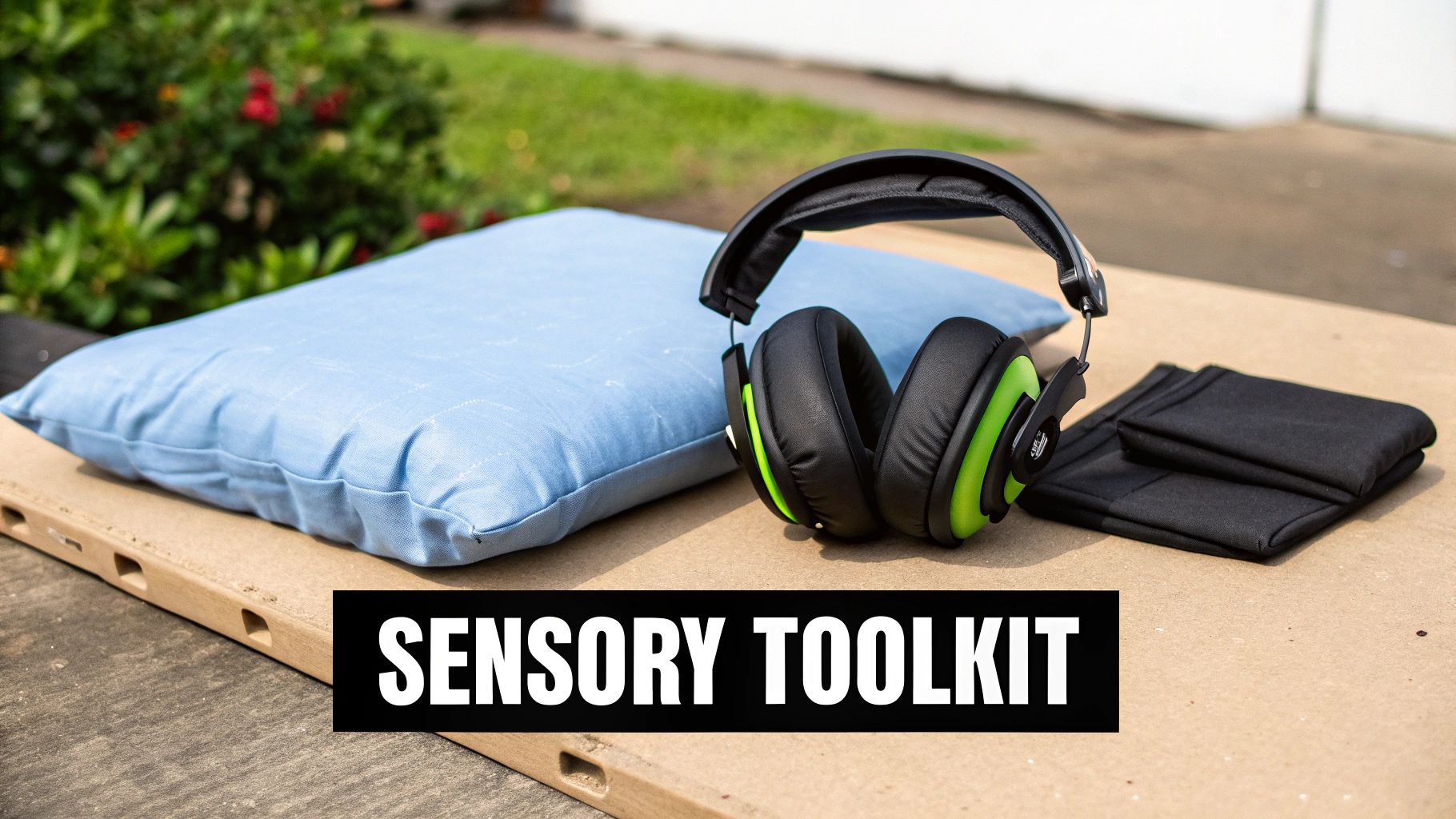
While a single, well-chosen fidget toy can be a fantastic support, it's often just one piece of a much bigger puzzle. To really help a student manage their sensory needs across the entire school day, it helps to think bigger. What we’re really aiming for is a complete sensory toolkit that offers different supports for different situations, from quiet desk work to noisy group activities. This could also include creative tools like magnatiles or Gravitrax for structured brain breaks.
This way, we move beyond just keeping hands busy. It’s about creating a full support system that helps a child feel grounded, calm, and ready to learn, no matter what the classroom environment throws at them. A versatile toolkit means there’s always the right tool for the right challenge.
Grounding Tools for Seated Learning
For many students, the hardest times are when they need to be seated for instruction, like mat time or independent work at their desk. Their bodies are often craving movement and pressure to stay regulated, which is when you see kids wiggling in their chairs or losing focus. This is where proprioceptive tools—things that give that lovely deep pressure input—are absolute game-changers.
Weighted animal toys or lap bags are perfect examples. When a child rests one on their lap, that gentle, steady pressure sends calming signals straight to the nervous system. This grounding sensation can make a world of difference in their ability to sit still and pay attention, all without distracting anyone else.
A complete sensory toolkit anticipates a child's needs throughout the day. It provides proactive support, offering calming pressure during quiet time and a safe retreat from overstimulation when the classroom gets loud.
This kind of deep pressure is a cornerstone of sensory regulation. It helps the body feel secure and organised, which in turn makes it much easier for the brain to focus on learning. If you want to dive deeper into how different sensations work, our guide on tactile sensory toys explains a lot more about this important sensory system.
Creating Calm in a Busy Classroom
Let's face it, a classroom can be a sensory minefield of noise and constant activity. For a child with auditory sensitivity, the buzz of chatter, scraping chairs, and PA announcements can be completely overwhelming, making concentration feel impossible.
A well-rounded toolkit should always have something to manage this auditory overload. Noise-cancelling earmuffs for kids are a brilliant solution, creating a personal pocket of quiet in the middle of the chaos. They allow a student to block out distracting background noise while still being able to hear the teacher's voice, giving them back a sense of control over their environment.
Comforting Tools for Quiet Moments
Even quiet activities like independent reading can have their own sensory hurdles. Some children need a bit of gentle tactile input to feel settled and comfortable enough to actually get lost in a book. This is where comforting, multi-sensory items can really shine.
A plush, gently heated Warmie, for instance, can be a wonderful companion during reading time. The magic is that it offers three types of sensory input all at once:
- Tactile: The soft, plush fabric provides soothing touch.
- Proprioceptive: Its gentle weight offers a calming, grounding pressure.
- Thermal: The comforting warmth helps the body and mind relax.
By thoughtfully combining different types of sensory tools, educators and parents can build a truly effective support system. Here at The Sensory Poodle, we aim to be a one-stop resource for creating these versatile toolkits, with everything from weighted toys to earmuffs. It's this holistic approach that ensures every student has what they need to feel regulated, focused, and ready to succeed in the classroom.
Your Questions About Fidget Toys Answered
When it comes to fidget toys for school, it’s completely normal for parents and teachers to have a few questions. Let's walk through some of the most common concerns to give you the clarity you need to help your student thrive.
Are Fidget Toys Only for Kids with a Diagnosis?
Not at all. While they’re brilliant for kids with diagnoses like ADHD or Autism, you’d be surprised how many other students benefit from having a quiet sensory tool on hand. A discreet fidget can be a game-changer for managing mild anxiety, staying focused during a long lesson, or just giving restless hands a silent job to do.
It all comes down to good communication. A simple chat with your child's teacher can help put a supportive plan in place, making sure the fidget is used to help learning, not hinder it.
What if My Child's School Banned Fidget Toys?
This is a common one, and it often stems from the fidget spinner craze a few years back, which understandably caused a lot of disruption. It's usually worth having a respectful conversation with the teacher or learning support staff to look at the issue with fresh eyes.
Try approaching it by explaining the specific challenges your child faces and come prepared with some examples of quiet, classroom-friendly options.
Shifting the language from "fidget toy" to "sensory tool" can make a world of difference. It helps educators see it as a support for focus, not a distraction for play. Showing them discreet options, like the ones from Kaiko Fidgets, proves you've already thought about the learning environment.
How Do I Know if the Fidget Toy Is Actually Helping?
You'll know it's working by watching the outcome. A truly helpful tool lets a child keep their eyes up and their mind on the lesson. Are they getting more work done? Are they participating more in class discussions? These are great signs.
On the flip side, if you see them staring down at the toy, it’s making noise, or it’s becoming a point of contention with other kids, it’s probably not the right choice. Finding the perfect match can take a bit of trial and error, so regular check-ins with your child and their teacher are key.
Can I Use NDIS Funding for Sensory Tools?
Yes, you absolutely can. We know that navigating the NDIS can feel a bit overwhelming sometimes. As a registered NDIS provider, we're here to make it easier. The Sensory Poodle can help you get quotes and process payments using your child's funding. We know the system inside and out and can help you find the right sensory toys in Australia that fit perfectly with your child's NDIS plan goals.
At The Sensory Poodle, our passion is finding those perfect, classroom-ready tools that make a real difference in a child's learning journey. Take a look at our collection of quiet and effective fidgets to find the right fit for your student.