


Your Guide to Sensory Chew Toys in Australia

Have you ever noticed your child chewing on their shirt collar? Or maybe you find yourself biting the end of a pen during a stressful meeting? These aren't just quirky habits. They're actually our body's clever way of seeking out sensory input to calm down and focus.
Sensory chew toys are specifically designed tools that give this chewing instinct a safe and satisfying outlet. Think of them as essential aids for anyone who needs that oral sensory feedback to self-regulate, especially kids and adults with autism, ADHD, or sensory processing differences. As a leading provider of sensory toys in Australia, we see how these tools can make a profound difference.
Understanding the Need to Chew
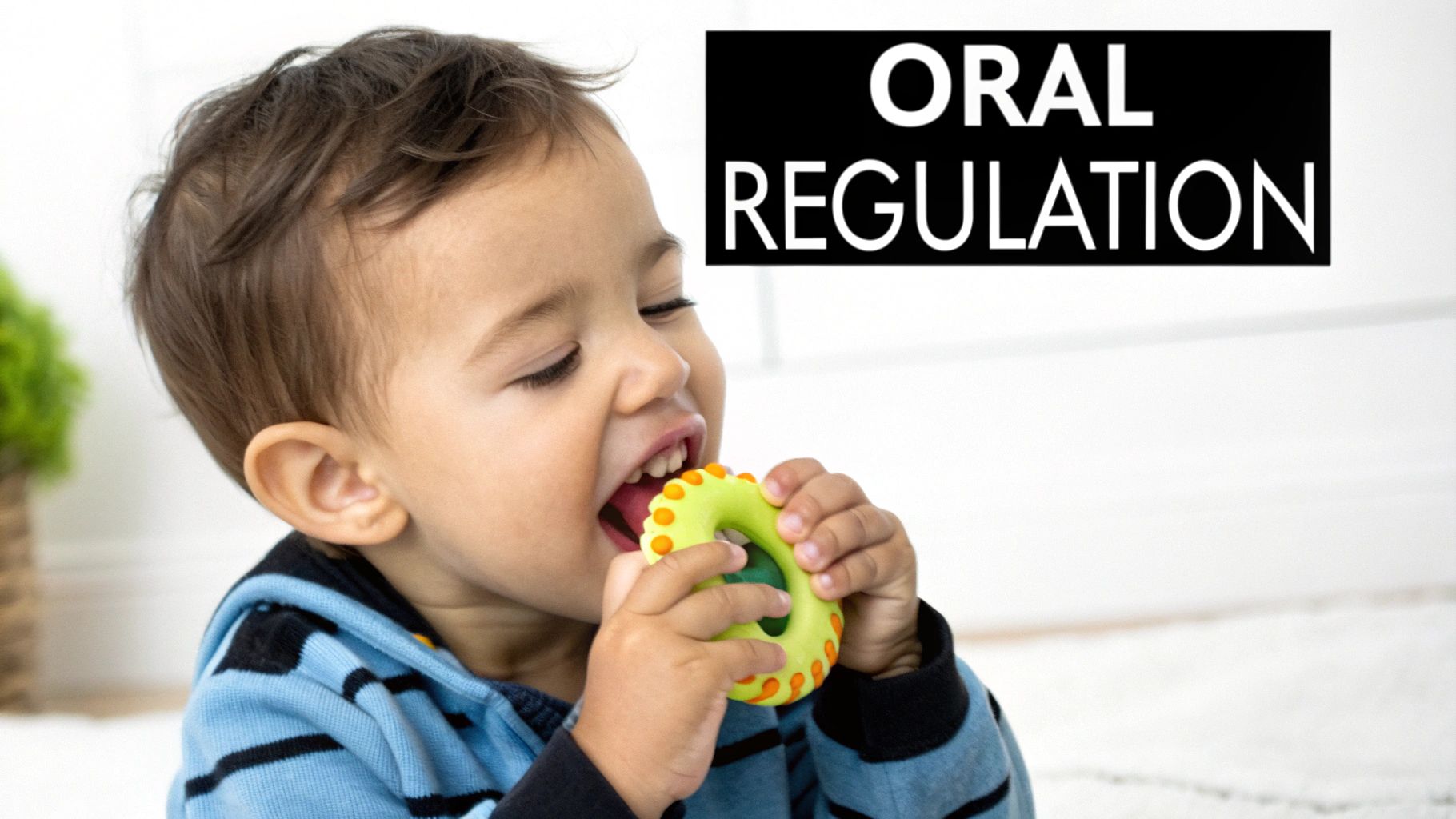
The act of chewing is incredibly powerful. When we chew, we engage the big muscles in our jaw, sending a flood of grounding signals straight to the brain. This is a form of proprioceptive input—the deep pressure sense that helps us understand where our body is in space.
This deep pressure to the jaw has a wonderfully organising and calming effect on our entire nervous system. It can genuinely help to dial down anxiety, release pent-up tension, and sharpen concentration.
A Therapeutic Tool, Not Just a Toy
For many people, particularly those with sensory processing disorders, autism, or ADHD, the drive to chew can be much more intense. Their nervous systems might need a bit more of that sensory feedback to feel grounded and in control.
Without a safe option, this need often leads to chewing on whatever is available—shirt sleeves, pencils, fingernails, or other potentially harmful items. This is where sensory chew toys step in, offering a safe, durable, and socially appropriate way to meet that fundamental need. Recognising the signs of oral sensory seeking is the first step toward providing the right support, whether it's a chew toy or other sensory tools like fidgets.
Chewing provides a direct line to the nervous system, offering a reliable way to manage stress and filter out overwhelming sensory information. Providing a safe outlet isn't about stopping a behaviour but about meeting an underlying need.
Before we dive deeper, it can be helpful to see these behaviours in action. Here’s a quick guide to what oral sensory seeking can look like and how chew toys can help redirect it positively.
Identifying Oral Sensory Needs at a Glance
| Common Behaviour | How Sensory Chew Toys Help | The Goal |
|---|---|---|
| Chewing on shirt collars, sleeves, or strings. | Provides a safe, wearable alternative that satisfies the urge without damaging clothes. | Redirect the chewing habit to a safe and appropriate item. |
| Biting fingernails, knuckles, or skin. | Offers a hygienic and non-harmful object for oral exploration and sensory input. | Protect the individual from potential self-injury or infection. |
| Grinding teeth (bruxism) during the day. | Gives the jaw a safe surface to bite down on, reducing the impact on teeth. | Reduce dental wear and jaw strain by providing a buffer. |
| Putting non-food items (pencils, toys) in the mouth. | Delivers a purpose-built, non-toxic item that is designed and tested for safe chewing. | Prevent choking hazards and ingestion of unsafe materials. |
| Restlessness, fidgeting, or difficulty sitting still. | Acts as a discreet fidget tool, channelling excess energy into chewing to improve focus. | Improve concentration and the ability to self-regulate in class or at work. |
As you can see, the goal is never to stop the chewing but to provide a much safer and more effective way to do it.
Why a Proper Outlet Is Crucial
Using a sensory chew toy is a proactive strategy that supports emotional balance and focus. Here in Australia, their use in therapeutic and educational settings is growing fast. In fact, some industry surveys show that around 67% of parents and therapists prefer sensory tools to support children with sensory processing differences. This really highlights the strong demand for tools like sensory chew toys in occupational therapy and special education. You can discover more insights about this growing market trend.
By offering a designated "chewy," you're not just giving someone a toy. You're empowering them to self-regulate effectively, helping them navigate their day at home, school, and out in the community with much more confidence.
How to Choose the Right Sensory Chew Toy
Picking out the right sensory chew toy is about more than just finding a cool shape or a favourite colour. It’s a bit of a matching game, really. You’re looking for the perfect tool to meet a specific sensory need, one that’s both safe and actually does the job. A great chewy can provide hours of calming input, but the wrong one might be torn apart in minutes or just not feel right.
To get it right, we need to look at three things: how intensely someone chews, what the toy is made of, and its particular shape and design. Nailing these three aspects is the key to finding a durable, safe, and truly satisfying chew toy that fits an individual's unique sensory profile.
Assess the Chew Level
First things first, you need to figure out the user's chewing style. Think about it like a handshake—some are firm, others are gentle. Everyone has their own chewing intensity, and matching the toy’s toughness to that style is absolutely critical for both safety and getting your money's worth.
-
Light Chewers: These are folks who might just mouth, lick, or gently gnaw on an item. They aren't really applying enough pressure to do any damage. For them, softer, more flexible silicone toys usually hit the sweet spot.
-
Moderate Chewers: This is where most people land. They chew more consistently and with enough force to cause some wear and tear over time. They need a toy that offers a good balance of durability and satisfying flex.
-
Aggressive Chewers: These users mean business. They chew with a lot of force and can tear through less robust toys in no time. They need the toughest, most durable options out there to make sure the toy doesn't break apart and become a choking hazard.
Giving an aggressive chewer a toy that's too soft is a recipe for disaster—it'll be destroyed quickly. On the flip side, a toy that's too hard for a light chewer won't provide that satisfying sensory feedback they're looking for.
Prioritise Material Safety
Since these tools are designed to go in the mouth, what they’re made of is non-negotiable. The gold standard for sensory chew toys is 100% food-grade silicone. It's a fantastic material because it’s non-toxic and incredibly durable, which is exactly what you want for something that will be used over and over.
When you’re checking out product descriptions, keep an eye out for these essential safety call-outs:
- BPA-Free: Bisphenol A is a chemical you definitely want to avoid.
- Phthalate-Free: These are chemicals often used to make plastics more flexible.
- Lead-Free: This ensures no harmful heavy metals are in the material.
Seeing these certifications gives you peace of mind that the toy has been properly tested and is safe for oral use. Always stick with reputable brands that make safety a priority. It's the only way to be sure the tool is both therapeutic and completely harmless. If you're exploring a range of options, our guide for choosing sensory toys by age group offers some extra pointers.
Match the Shape to the Need
Finally, the shape of the chewy plays a massive role in how it helps. Different designs are crafted for different jobs, from providing a discreet outlet for fidgeting to delivering powerful input to the jaw muscles.
Think of it like choosing the right pen. A fine-tip marker is great for details, while a broad highlighter is best for big ideas. Similarly, different chew toy shapes are designed for different sensory jobs.
Here are a few common shapes and what they’re great for:
- Chewable Necklaces and Bracelets: These are brilliant for discreet chewing at school or out in public. Because they’re wearable, they’re always on hand when needed.
- Handheld Chew Toys: These often come with more interesting textures and shapes, which adds another layer of tactile input. The long, stick-like shapes are particularly good for reaching the back molars, where chewing gives the strongest, most organising sensory feedback.
- Pencil Toppers: A lifesaver in the classroom! These clever tools redirect the common habit of chewing on pen caps or pencils onto a safe, purpose-built alternative.
The Rise of Sensory Tools Across Australia
Walk into a classroom or therapy clinic today, and you’ll see something that might have been rare just a decade ago: sensory chew toys. These tools are no longer hidden away in a specialist’s office; they’ve become a common sight in homes, schools, and even handbags across Australia.
This isn’t just some passing trend. It signals a massive, positive shift in how we’re starting to understand and support neurodiversity. More and more, parents, teachers, and therapists are realising that behaviours like chewing aren't something to be stopped, but rather a signal—a way of communicating an unmet sensory need.
A Growing Market Driven by Awareness
You can see this change reflected in the numbers, too. The Australian toy market is huge, estimated at around USD $2.28 billion in 2024, and a big driver of that growth is the demand for educational and multisensory tools. Sensory chew toys are a key player in this space, making up a significant slice of the sensory product pie worldwide. It's solid proof that these tools are here to stay.
As awareness grows, so does the availability of other sensory supports. For instance, you can find a list of stores selling anxiety blankets pretty easily these days, which just goes to show how mainstream these supports have become. It's all part of building a more inclusive and understanding environment for everyone.
This flowchart is a great way to visualise how to match a chew toy to someone’s specific needs—thinking about everything from how intensely they chew to the shape that will work best for them.
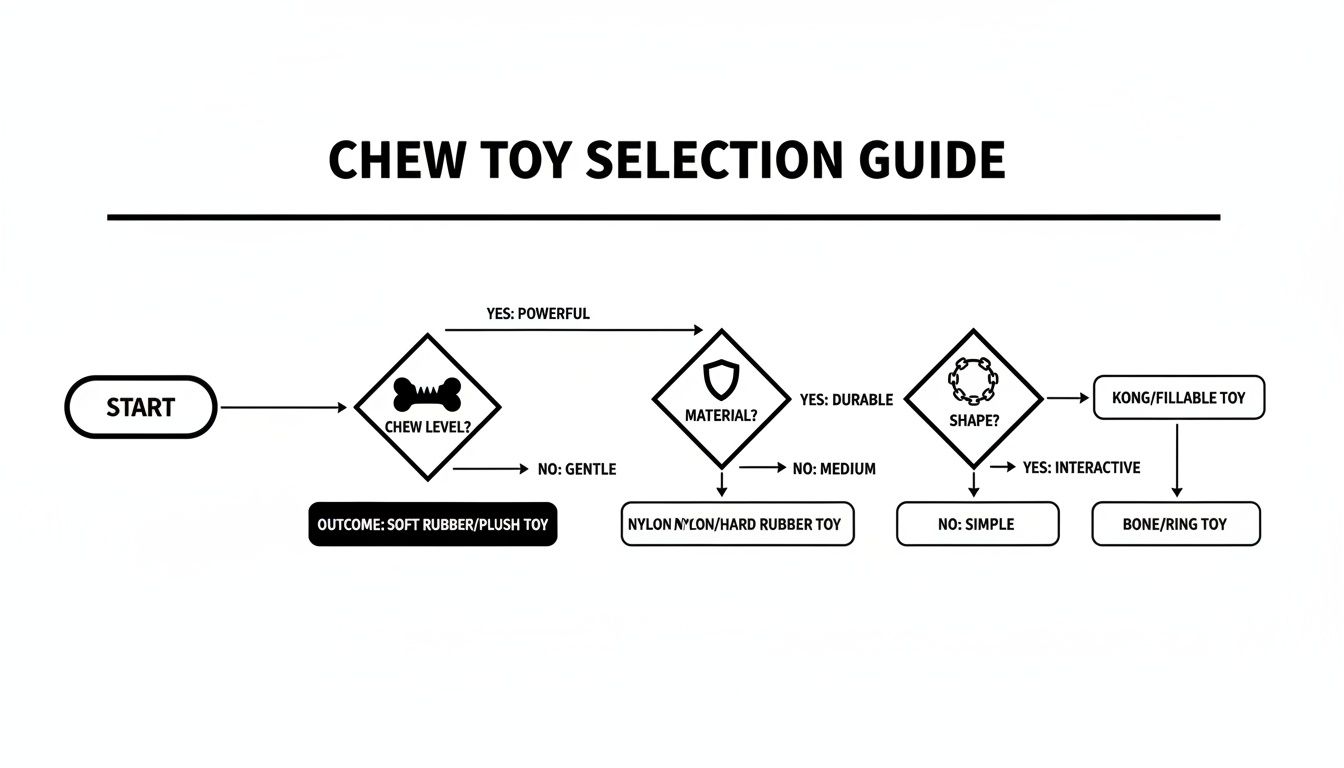
As you can see, picking the right chew is a thoughtful process. It starts with safety and durability and then moves on to personal preference, making sure the tool is not only effective but also something that will last.
From Specialised Item to Household Staple
Here at The Sensory Poodle, we’ve seen this demand firsthand. Retailers all over the country are making high-quality, safe, and genuinely helpful sensory products more accessible than ever before. For so many families, this movement validates what they’ve known all along.
The increasing visibility of sensory tools in Australian stores and classrooms sends a powerful message: supporting sensory needs is a normal and essential part of fostering well-being and inclusion.
This shift confirms that seeking out these tools is the right move. You're part of a growing community dedicated to creating spaces where every person, no matter their sensory profile, has what they need to feel calm, focused, and ready to take on their day.
Bringing Chew Toys into Everyday Life
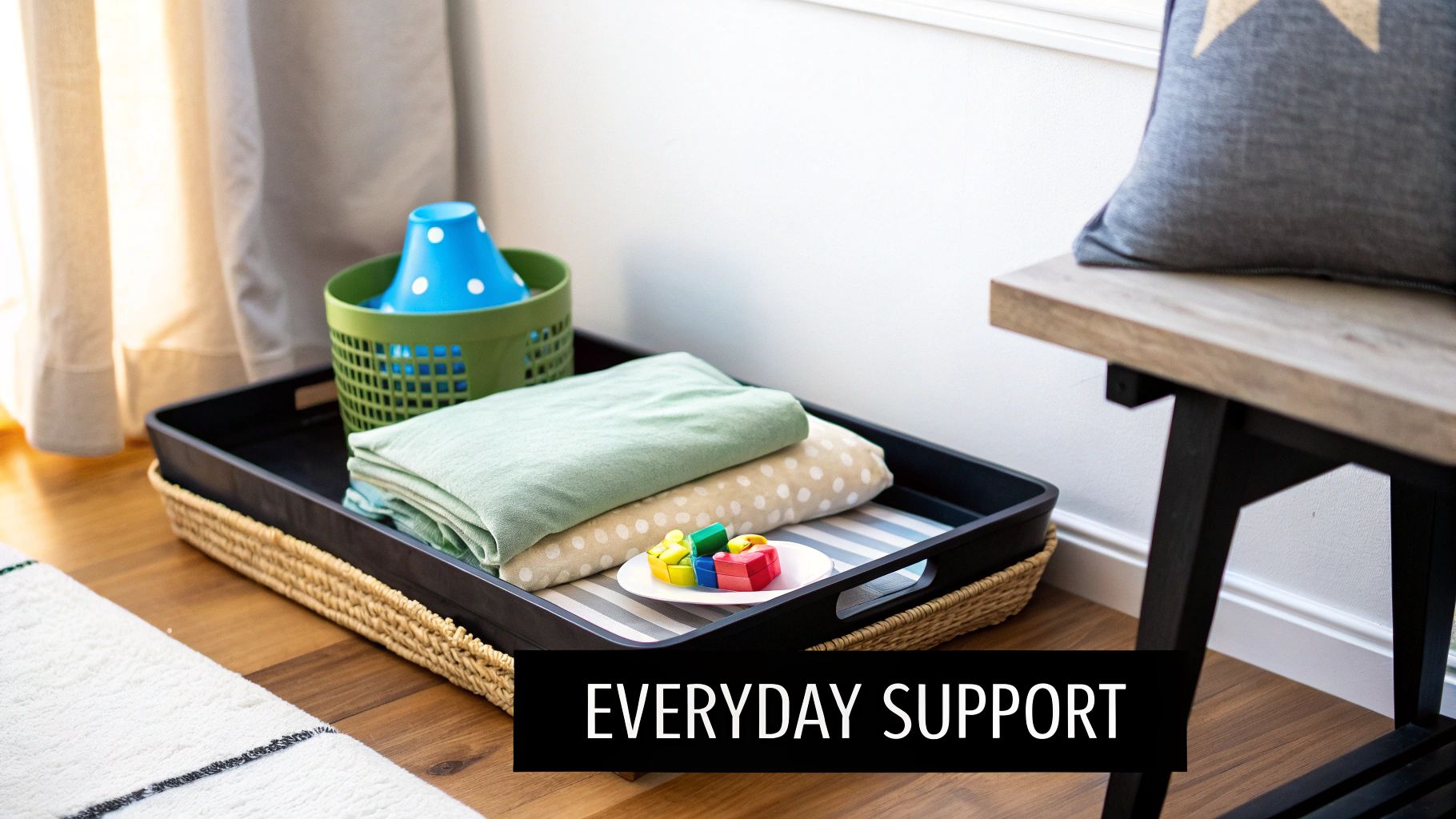
The real magic happens when a sensory chew toy stops being just a 'thing' and becomes a reliable part of daily life. It’s all about weaving these tools into the environments where they’re needed most—at home, in the classroom, and during therapy.
The aim is to make self-regulation a seamless, accessible part of the day, not something that only happens at a specific time or place. When you do this thoughtfully, you build a consistent network of support that helps someone navigate their world with a lot more confidence and calm.
Creating Calm Spaces at Home
At home, one of the best things you can do is set up a dedicated calming corner. This isn’t a timeout spot; think of it as a safe, cosy retreat where your child can go to ride out big emotions and find their centre again. It’s the perfect place for sensory tools to work their magic together.
A calming corner is like a personal recharge station. When you stock it with tools like sensory chew toys, a weighted Neptune Blanket, and a few soft Palm Pals, you’re creating a multi-sensory haven that can soothe an overwhelmed nervous system.
Try keeping a small, organised basket of chewies in this space, right next to other comforting items like weighted animal toys or a captivating Jellyfish Lamp. This makes it incredibly easy for your child to grab what they need when they feel that overwhelm creeping in, empowering them to manage their own regulation.
Supporting Focus in the Sensory Classroom
The school environment comes with its own set of hurdles. The key is finding tools that are effective for the user but also discreet enough not to distract others. A well-thought-out sensory classroom strategy gives kids options that help them focus.
- Pencil Toppers: A classic for a reason! They allow students to get that oral input while they're writing, which can make a huge difference to their concentration.
- Discreet Necklaces: A chewable pendant worn under a school shirt collar is a fantastic, readily available tool for moments of anxiety or sensory overload during a lesson.
- Desk Fidgets: Having a small, quiet fidget like a chewable brick or a Kaiko fidget on their desk can help channel restless energy, making it easier to stay seated and engaged.
These subtle supports help create a genuinely inclusive learning environment where every child has what they need to thrive.
Integrating into Therapy Sessions
For Occupational Therapists, chew toys are a cornerstone of a good "sensory diet." This is basically a personalised plan of activities designed to meet an individual's unique sensory needs throughout their day.
Chewies can be used strategically to prepare someone for a challenging task or as part of specific oral-motor exercises. For example, a therapist might use a chew toy to help "wake up" the mouth muscles just before a speech therapy session. Or, they might offer one to provide calming input right before tackling a tricky fine motor activity. This kind of proactive use really helps set the stage for a more regulated and productive session.
Your Chew Toy Safety and Care Checklist

Making sure a sensory chew toy is a safe and effective tool isn't just a suggestion—it's non-negotiable. Proper care and regular checks are simple but absolutely essential habits. They give you peace of mind while your child gets the vital sensory input they need.
These steps aren’t complicated at all. Think of them as a quick daily check-in that protects your child and helps the toy last longer, ensuring it remains a secure and hygienic sensory solution.
Daily Inspection Is Key
Before handing over a chew toy, take just a moment to give it a quick once-over. You're on the lookout for any signs of wear and tear that could make it unsafe.
- Look for cracks or splits: Check closely for any small tears, especially around the thinner parts of the design.
- Feel for weak spots: Give it a good squeeze. If any areas feel unusually soft or thin, they might be close to breaking through.
- Check for missing pieces: Make sure no small bits have been chewed off or are about to come loose.
If you spot any damage, no matter how small it seems, the rule is simple: the toy must be replaced immediately. A compromised chewy can become a serious choking hazard, and that's a risk you never want to take. This is especially important for strong or aggressive chewers who can wear down even the most durable materials over time.
Keeping It Clean and Hygienic
Because these toys go in the mouth, regular cleaning is crucial for preventing the build-up of germs. Thankfully, most high-quality sensory chew toys are designed to be super easy to clean.
Maintaining hygiene isn't just about appearances; it's about making sure the sensory tool remains a safe and inviting option for oral input. A clean chewy is a safe chewy.
For most silicone toys, a simple wash with mild soap and warm water does the trick perfectly. Many are even top-rack dishwasher-safe, which is a lifesaver for busy parents. Just be sure to always check the manufacturer’s specific cleaning instructions first.
For more detailed advice, you can explore these 4 tips for keeping sensory toys clean and hygienic. And for a broader overview on keeping things sanitary, check out this simple guide to cleaning infant toys.
To help you stay on top of it all, here’s a quick checklist you can follow.
Sensory Chew Toy Safety Checklist
This table provides a straightforward routine to help parents and carers ensure their sensory chew toys are always safe and ready for use.
| Check Point | Frequency | Action Required |
|---|---|---|
| Visual Inspection | Before each use | Look for any signs of damage: cracks, tears, or missing pieces. |
| Structural Check | Daily | Squeeze and pull the toy to test for weak spots or thinning material. |
| General Cleaning | Daily (or after use) | Wash with warm, soapy water or follow manufacturer's instructions. |
| Deep Sanatising | Weekly (or as needed) | Use a dishwasher (if safe) or a toy-safe sanitising solution. |
| Replacement Review | Monthly | Assess overall wear and tear to decide if it's time for a new toy. |
By turning these small checks into a regular habit, you can confidently provide a sensory tool that is both beneficial and, most importantly, completely safe.
Using Your NDIS Plan to Fund Sensory Tools
For so many Aussie families, the National Disability Insurance Scheme (NDIS) is the key that unlocks access to therapeutic tools that genuinely change lives. It can feel like a maze at times, but funding sensory chew toys through your NDIS plan is definitely achievable, as long as it’s clearly connected to your goals.
These fantastic tools aren't just toys; they're supports that can help someone achieve very specific outcomes. Think about goals like improving self-regulation in a noisy shopping centre, or building the capacity to participate in a local community group. When you can draw a straight line from a sensory chew toy to a goal in your plan, it’s considered a reasonable and necessary support.
Core Supports or Assistive Technology?
So, where do sensory chew toys fit in your NDIS budget? They typically fall into one of two categories, really depending on their cost and what they do.
-
Consumables (Core Supports): Most of the time, low-cost sensory items like chew toys are considered ‘Consumables’. This part of your budget is wonderfully flexible, designed for you to purchase everyday items that help with your disability-related needs.
-
Low-Cost Assistive Technology (Capital Supports): This category is for items under $1,500 that help with things like daily living, communication, or getting around. Some specific sensory tools might fit here, and you can often buy them directly without needing to get a formal quote.
The golden rule is always to show how the item helps you work towards your NDIS goals. For instance, a chewable necklace could be directly linked to a goal of "improving my ability to stay calm and focused at my weekly social group." For a deeper dive into how different tools can help, you might find our article on sensory tools for autism useful.
How to Purchase with Your Funds
The way you go about buying the tools depends entirely on how your plan is managed.
Whether you're Self-Managed, Plan-Managed, or NDIA-Managed, the system is there to help you get the supports you need. The most important step is always tying the purchase back to your approved NDIS goals.
If you are self-managed, you have the freedom to buy from any provider you like, including The Sensory Poodle. You simply pay for the item and then claim the expense back through the NDIS portal.
For those who are plan-managed, your Plan Manager handles the finances. They can make the purchase on your behalf directly from an NDIS-registered provider, taking the admin off your plate and helping you get the supports you need to thrive.
Your Top Questions About Sensory Chew Toys, Answered
If you're just dipping your toes into the world of sensory chew toys, it's completely normal to have a few questions. As parents, therapists, and educators, we want to be sure we're making the right choices. Let's tackle some of the most common queries we hear at The Sensory Poodle.
Are Sensory Chew Toys Bad for Teeth?
This is a big one, and the short answer is no—as long as you choose the right one. Reputable sensory chew toys are made from food-grade, non-toxic silicone. This material is cleverly designed to be tough enough to provide satisfying sensory feedback, yet soft enough that it won't damage teeth or expensive dental work.
The real risk comes from chewing on things not meant for it, like hard plastic pen caps or toys. The key is to match the chew toy's durability rating (light, moderate, or aggressive) to the chewer's intensity. That way, you get all the benefits without any of the dental worries.
How Do I Redirect Chewing from Clothes to a Toy?
Getting a child to switch from their favourite jumper sleeve to a proper chewy requires a bit of patience and a consistent, gentle approach. The trick is to avoid making it a battle. Instead, introduce the new chew toy during a calm moment when they're not actively seeking that sensory input.
When you do see them chewing on their shirt, gently step in. Offer the chew toy as a simple, positive swap. You could say something like, “Let’s use this for chewing instead, shirts are for wearing.” Having the chew toy readily available on a lanyard or a wristband makes this transition so much easier.
Can Adults Benefit from Chew Toys?
Absolutely! The need for oral sensory input doesn't magically vanish when we grow up. Many adults find sensory chewies to be a fantastic, discreet tool for managing stress at work, staying focused during long meetings, or calming anxiety.
Think about common habits like biting nails, chewing pen lids, or even grinding teeth. A sensory chew toy can offer a much safer and more effective alternative. With so many subtle designs available today—from stylish pendants to simple handheld fidgets—adults can get the calming sensory input they need without anyone even noticing.
How Often Should I Replace a Chew Toy?
There’s no strict timeline here; it all depends on how much use it's getting and the intensity of the chewer. The golden rule is simple: replace the toy at the very first sign of damage.
Look for any cracks, tears, or spots that look weak. If it seems like a piece could break off, it's time for a new one. For heavy or aggressive chewers, it's a good habit to give the chewy a quick check before each use. A great tip is to have a few different ones on rotation—this not only keeps things interesting but also helps each one last a bit longer.
At The Sensory Poodle, we're here to help you find the safest, most effective sensory solutions for your family, classroom, or clinic. Take a look at our carefully selected range of high-quality sensory tools today. https://sensorypoodle.com.au