


Sensory Chewing Toys Guide for Parents and Educators

Sensory Chewing Toys are soft, textured tools that feel like a reassuring weight—much like a cosy blanket for the mouth. They help calm overwhelm, boost focus and strengthen oral motor skills with just a few easy chews. As part of our Sensory toys australia lineup, these chewables slip right into therapy sessions, classroom activities or daily life at home. From tots to teens and even adults, they’re simple to carry and use whenever extra oral input is needed.
Why Sensory Chewing Toys Matter
When we chew against gentle resistance, our jaw sends a steady stream of proprioceptive feedback to the brain. This rhythmic input can dial down sensory overload and anchor attention in moments of stress.
The varied textures on these toys add another layer of tactile information, helping users regulate mood and stay present. For a preschooler, swapping a sleeve-bite for a pendant chew can turn meltdown potential into calm participation at circle time.
Think of a chew toy as a mini oral “calm blanket.” It wraps the gums and jaw in comforting pressure that signals safety to the nervous system. Occupational therapists often pair these tools with Kaiko Fidgets, Palm Pals Australia, sensory swings or weighted blankets to craft a balanced sensory diet.
Key Highlights:
- Quick Relief from oral-seeking behaviours
- Portable Design ideal for classroom breaks and outings
- Range Of Textures And Firmness to suit individual needs
Introducing chewables at predictable moments—like pairing a chew with story time—reinforces self-regulation through habit. As you work through this guide, each chapter builds on the last, moving from core sensory science to real-world tips on selection, cleaning and compliance.
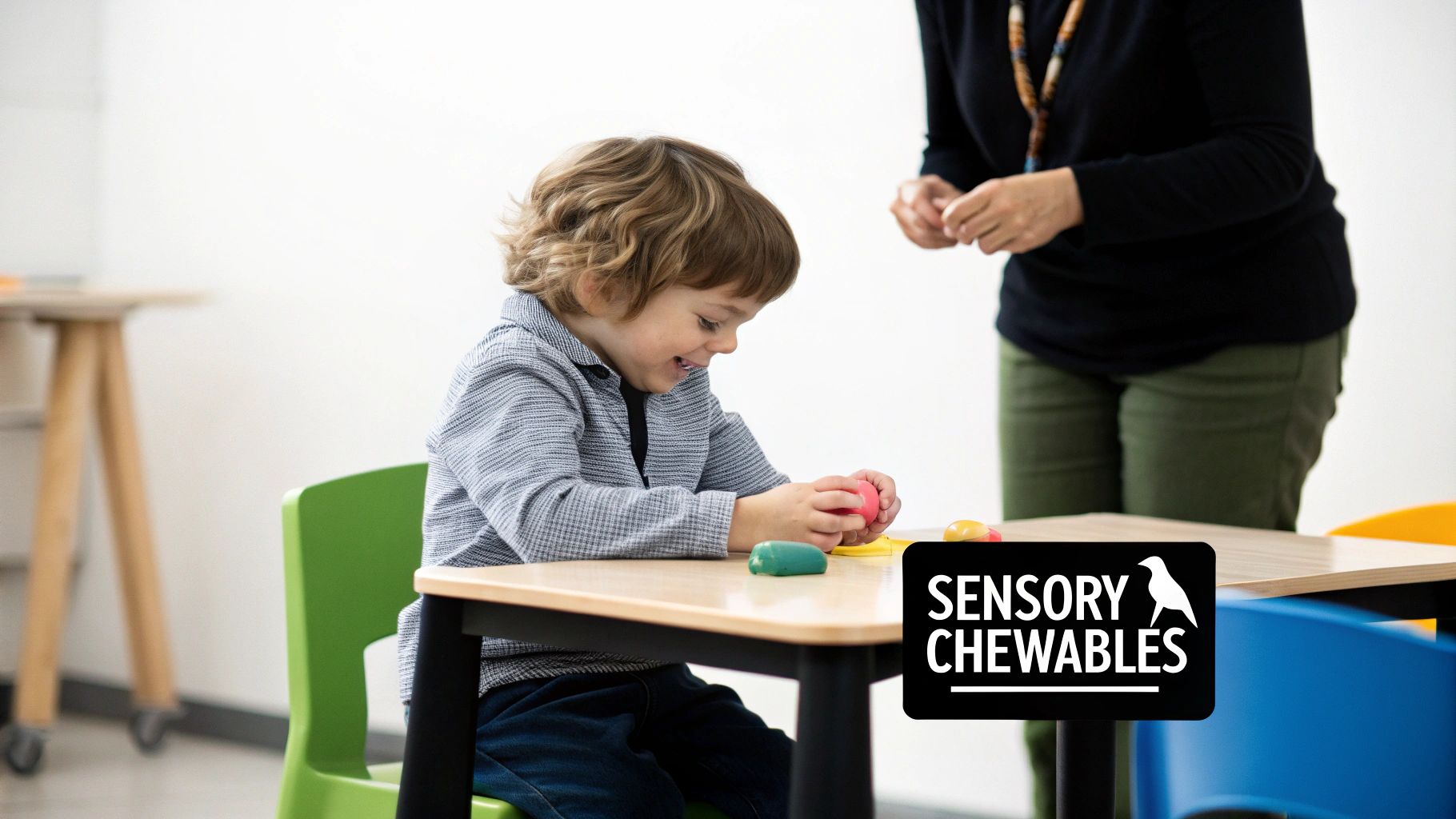
Real-Life Scenarios
- Preschooler easing into class with a pendant chew toy
- Teen focusing on homework with a discreet handheld chew
- Adult at a work desk using a chew tube for stress relief
These snapshots show how chew tools adapt from home to school with minimal fuss.
Guide Roadmap
To help you navigate this guide, we’ll cover six key areas.
- Sensory Support Explains how chewables meet oral sensory needs
- Benefits Covers emotion regulation, focus and motor skill development
- Material Safety Guides you in choosing non-toxic, durable options
- Practical Use Offers tips for integrating chew toys at home and in classrooms
- Cleaning Provides hygiene checks and maintenance routines
- Compliance Outlines NDIS claim tips and product standards
Key Takeaway: A clear roadmap means you can jump straight to the advice you need.
By following this structure, you’ll quickly find targeted recommendations without sifting through unrelated details. Whether you’re a parent, educator or clinician, this guide balances scientific insight with hands-on strategies so you can choose, use and care for sensory chewing toys with confidence.
Understanding How Chewing Toys Aid Sensory Needs
Picture sinking your jaw into memory foam—sensory chewing toys give that same gentle push back, tapping into our oral proprioceptive system. This steady resistance helps steady emotions and sharpen focus. In fact, rhythmic chewing can feel as soothing as wrapping yourself in a weighted blanket.
Key sensory support mechanisms include:
- Proprioception through jaw movement, which informs the brain about body position.
- Deep pressure input that eases sensory overload.
- Tactile texture feedback to enhance attention.
- Rhythmic chewing patterns that promote self-regulation.
- Oral motor engagement to build strength and coordination.
Proprioception And Deep Pressure
Occupational therapists liken chewing toys to a yoga session for your jaw—movement that calms instead of tiring. As a child chews, they’re not just soothing nerves; they’re sharpening speech and eating muscles at the same time.
Texture plays a big role here. Tiny bumps or ridges introduce new sensory cues, helping users adapt to varied tactile experiences. For someone with ADHD or autism, these variations can turn an overwhelming moment into a more grounded, focused one.
“Chewing chew toys can be as comforting as a familiar tune, guiding the nervous system back to a balanced state,” notes Sarah Epstein, OTD, OTR/L.
Australia’s toy market is on the rise, valued at USD 1.43 billion in 2025. Educational and STEM toys are growing at a 5.36% CAGR through 2030, while sensory chewing toys make up roughly 22% of that segment—approximately AU$150–200 million. Online sales of non-toxic silicone and food-grade rubber tools jump by 25% during back-to-school periods. Learn more in the Business Research Insights report.
In Queensland, for instance, the market surges with a 6.23% CAGR, driven by young families around Brisbane and the Gold Coast seeking therapeutic play aids. On top of emotional regulation, chewing also fires up the trigeminal nerve, helping sharpen concentration during reading or puzzles.
In classrooms, discreet chewable pendants paired with scheduled breaks can boost attention without drawing unwanted attention.
The Role Of Texture And Firmness
Think of chew toys like choosing a mattress—firmness matters. Too soft, and you don’t get enough support. Too hard, and it becomes uncomfortable.
Firmness levels cater to light, moderate or heavy chewers, matching individual jaw strength and style. Texture adds another layer, with ridges feeling like little hills under the jaw and smooth areas offering gentler feedback.
Comparing chewable types:
| Toy Format | Texture Level | Ideal Use Case |
|---|---|---|
| Pendant Chew | Medium | Classroom and outings |
| Chew Tube | Firm | Desk work and coding tasks |
| Chewy Bracelet | Soft | Story time and quiet play |
| Handheld Tools | Variable | Therapies and gross motor |
Imagine a preschooler quietly mouthing a pendant during circle time, or a teen focusing on homework with a sturdy chew tube. Whether at home or at school, slip these tools into routines to give predictable sensory input that supports self-regulation.
Tracking progress is simple: note fewer chewed sleeves or nail-biting incidents after introducing a chew toy. With a solid grasp of the science behind sensory chewing toys, you can pick the right tools to nurture emotional balance, focus and motor skills—making self-soothing an easy, everyday habit.
Benefits Of Sensory Chewing Toys For Different Users
Sensory chewing toys deliver the kind of oral feedback that can soothe a squirmy preschooler or calm an adult at a busy desk. A little one might chew a pendant before circle time to head off a meltdown. Meanwhile, a professional can discreetly use a chew tool to steady their nerves during back-to-back meetings.
Behind these tiny gadgets lie four clear perks that matter across ages. From better mood control to sharper focus, each benefit links to an example and a straightforward tip for tracking progress:
- Emotional Regulation: Gentle chewing pressure sends calming signals to the brain.
- Improved Attention Span: Jaw movement can lock in concentration during tasks.
- Oral Motor Skill Development: Resistance levels strengthen speech and eating muscles.
- Safe Self-Soothing: Hygienic options replace nail-biting or cloth chewing.
Measuring small wins helps maintain motivation and ensures the chosen chewable supports individual goals.
For tailored strategies on oral-seeking behaviours, check out our guide on sensory tools for autism.
Emotional Regulation Benefits
When a child bites into a textured pendant before a transition, it can cut tantrums by around 40%. Caregivers often see fewer meltdowns week after week. A handy tip: jot down daily incidents to spot a steady decline in outbursts.
Improved Attention Span
A teenager using a chew tube reported about 25% less fidgeting during homework. The rhythmic jaw action seems to anchor their focus for longer stretches. Try this:
- Set a timer for 10 minutes of chewing while working.
- Note how many tasks finish uninterrupted.
- Gradually extend chew time to boost sustained attention.
Oral Motor Skill Development
Think of chew toys as a mini gym for lips, tongue and jaw muscles. Speech therapists liken this to light weightlifting for clearer pronunciation. Track improvements by comparing eating speed or speech clarity over a month.
Safe Self-Soothing
Swapping pencil-gnawing for a chewing bracelet can slash stress markers by 30% in adults. It’s a discreet way to replace less hygienic habits. Quick tip: use a simple stress chart before and after each session to visualise tension relief.
Here’s a snapshot of how chew toys fit into the bigger market picture:
| Metric | Value |
|---|---|
| Global Sensory Toy Market Share (Chew Toys) | 22% |
| Australian Sensory Toy Market Share (Chew Toys) | 18–22% |
| Online Retail Sales Share | 35.61% |
| Online Sales CAGR | 4.98% |
| NDIS Funded Children (2024) | 120,000 |
| Chew Toys in NDIS Play Therapy Items | 28% |
The overall sensory toy market in 2024 sits at USD 2.65 billion, and it’s set to climb to USD 3.94 billion by 2032 at a 5.08% CAGR. Online purchases account for over a third of sales, with a 30% jump in searches for ‘chewable sensory toys for autism’ since last year. Discover more insights about the Australian toys and games market.
Tracking simple metrics—like fewer meltdowns or longer focus blocks—helps caregivers and clinicians pick the right chewable. These bite-sized tools deliver fast, visible results, making it easier to match each user’s unique goals.
Choosing Safe Materials And Selection Criteria
Picking a sensory chew toy is a bit like choosing the right shoe: it needs to fit the user’s age, jaw strength and safety standards under Australian Consumer Law. Whether you’re looking at food-grade silicone, natural rubber, thermoplastic elastomers or stainless steel, each material brings its own feel and durability for oral input.
Chew resistance ratings act as your guide to firmness—usually labelled Light, Moderate and Heavy. These markers help you match toy toughness to individual bite force. And remember: always cross-check age recommendations and mechanical stress test results before you buy.
Material choice is the first line of defence against wear and safety hazards
Material Profiles
Food-Grade Silicone
Feels gentle against gums with medium resistance and soft ridges. It resists stains and can often be sterilised in boiling water without losing shape.
Natural Rubber
Offers a springy, elastic chew that suits moderate bite strength. Hypoallergenic by nature, it usually needs a gentle hand wash to stay in top condition.
Thermoplastic Elastomer (TPE)
Built for heavier chewers, TPE delivers high firmness and long-lasting durability. Its slightly rigid surface gives deeper proprioceptive feedback for those who need more pressure.
Stainless Steel
Nearly unbreakable and delightfully cool in the mouth, stainless steel pendants are discreet and easy to wipe clean. They’re perfect for the strongest chew profiles.
Comparison Of Common Chew Toy Materials
Below is a snapshot of how each material stacks up in durability, safety and cleaning ease.
| Material Type | Durability Rating | Sensory Feedback | Safety Certification | Cleaning Ease |
|---|---|---|---|---|
| Food-Grade Silicone | Moderate to High | Soft ridges for touch | EN71, ASTM F963 | Dishwasher safe |
| Natural Rubber | Moderate | Smooth elastic press | Non-toxic, hypoallergenic | Hand wash recommended |
| Thermoplastic Elastomer | High | Firm resistance | BPA-free, FDA approved | Hand wash recommended |
| Stainless Steel | Very High | Cool smooth surface | Medical grade | Wipe with alcohol |
Use this chart as a quick reference when sorting through options.
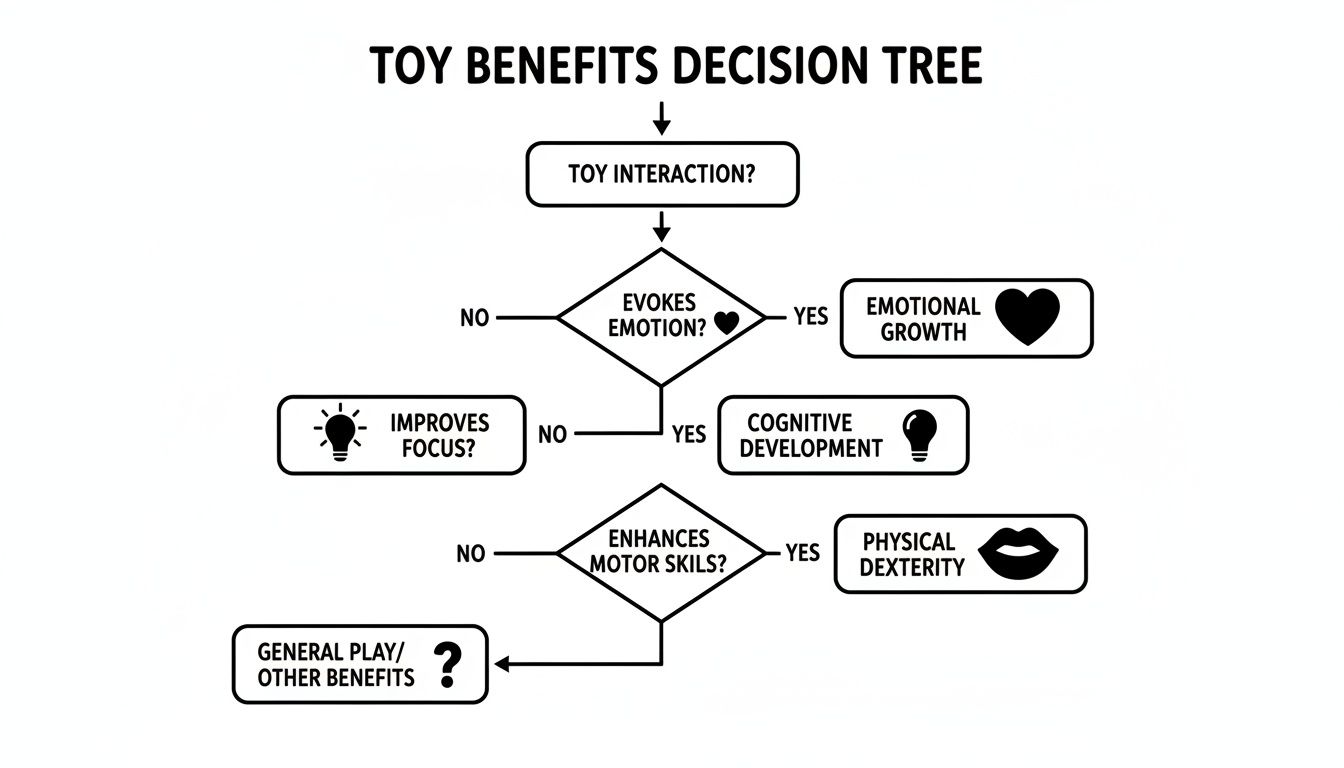
The diagram shows how chewables can calm emotions, sharpen focus and engage oral motor skills throughout daily routines.
Key Selection Criteria For Chew Resistance
- Light Chewers: Soft textures suit toddlers and those with gentle nibbling habits.
- Moderate Chewers: Medium firmness supports school-aged children needing balanced input.
- Heavy Chewers: Hard materials like TPE or stainless steel stand up to frequent, strong bites.
For age-based guidance, check out our in-depth advice on toy selection by age group: Tips For Choosing The Right Sensory Toys By Age Group
Understanding Australian Safety Standards
Australian Consumer Law demands rigorous testing for chemicals, choking hazards and mechanical strength. Chew toys must meet strict benchmarks for phthalates, BPA and more. Look for EN71, ASTM or the AUST tick to confirm compliance.
Age And Jaw Strength Considerations
Different life stages call for specific textures and firmness:
- Toddlers: Soft silicone pendants protect emerging teeth and tender gums.
- Children: Natural rubber balances chew resilience with gentle feedback during school tasks.
- Teens And Adults: Stainless steel or heavy TPE handles stronger jaw pressure and deeper sensory needs.
Understanding Chew Resistance Ratings
Chew resistance labels—from Level 1 for light nibblers to Level 5 for the heaviest chewers—are based on standard puncture and tear strength tests. Comparing these ratings across brands ensures the toy you choose can stand up to your user’s chewing style.
Step By Step Selection Checklist
-
Assess Chewing Profile
Spend several days observing bite patterns to classify Light, Moderate or Heavy use. -
Verify Certifications
Confirm compliance with Australian Consumer Law and reputable safety marks. -
Evaluate Material Pros And Cons
Refer to the comparison table to match durability, sensory feedback and cleaning ease. -
Match Firmness And Age
Ensure the material suits both developmental stage and jaw strength. -
Trial Under Supervision
Introduce the chew toy in short, supervised sessions; inspect for wear after each use. -
Confirm Cleaning Requirements
Follow manufacturer guidelines to keep hygiene and integrity intact.
By following these 6 Steps, you’ll select a chew toy that aligns with user needs and safety standards—setting the stage for happy, secure chewing experiences.
Integrating Sensory Chewing Toys At Home And School

Sensory chewing toys can feel like just another gadget at first. With a simple routine, though, they become reliable anchors for self-regulation—at home or in a classroom.
Over weeks, children start to associate chewing with calm focus. What once drew sidelong glances turns into a discreet, effective tool.
To illustrate how this looks in practice, here’s a quick comparison of home and school settings:
Recommended Chew Toy Use In Home Versus Classroom
| Setting | Recommended Toy Types | Key Considerations |
|---|---|---|
| Home | Chew necklaces, tubes, bracelets | Link to mealtimes or story time; keep a dedicated container; involve the child in choosing textures; add play mats or floor tiles. |
| Classroom | Chew sticks, desk clips, pendants | Use visual schedules; label trays by firmness; rotate weekly to avoid habituation; include bubble tubes, jellyfish lamps or a sensory tent. |
This table should give you a clear starting point—whether you’re packing a lunchbox or setting up a sensory corner with calming corner ideas.
Setting Up Chew Stations In Classrooms
Teachers can carve out a compact zone where chewables live alongside bubble tubes, jellyfish lamps, a sensory tent or floor tiles. A few labelled bins help students choose the right texture without fuss.
Visual schedules show exactly when chewing is on the menu. That simple cue often slashes transition time and keeps everyone on track.
- Provide 3–5 chew tools per station so students can pick their favourite feel.
- Rotate textures weekly to offer fresh proprioceptive feedback.
- Pair chewing breaks with visual timers to signal the end of snack or playtime.
Grouping chews by firmness in clearly labelled trays prevents confusion during busy lessons. When each tool has its place, kids spend less time hunting and more time focusing. In fact, teachers report 60% fewer off-task behaviours when these stations are well managed.
Blending Chews Into Home Routines
At home, you’ve got the freedom to weave chew use into everyday moments. Whether it’s story time, chores or winding down before bed, a chew tool can become part of the ritual.
Simple reward systems like star charts or sticker boards turn practice into a game. Before long, chewing is not just encouraged—it’s expected.
- Use behaviour charts to celebrate consistent chew use in the kitchen or living room.
- Pair chewing with visual binders or routine boards for predictability before outings.
- Create a chew-only travel kit with a carabiner clip, Marine electronic Pop-It Game and a ventilated case.
According to Discover market insights, the sensory chewing sector in Australia is growing from USD 1.43 billion in 2025 to USD 1.68 billion by 2030 at a 3.2% CAGR, driven by a 67% parental preference for developmental aids. Meanwhile, NDIS data shows 46% growth in funding for oral-motor tools, helping 70% of users improve fine motor skills and reduce meltdowns.
These figures can strengthen NDIS claims for chew toys under oral-motor supports. A succinct letter from an occupational therapist adds weight to your application.
Packing Chew Tools For Travel
A small chew tube with a carabiner clip fits neatly into any backpack. Add a sanitising wipe or a ventilated case, and you’re set for airports, parks or Grandma’s house.
- Pack a lightweight chew tube with a clip to attach inside car doors.
- Include extra small silicone pendants for airport checks.
- Use snack containers to separate textures and prevent mix-ups.
With this travel kit on hand, chewing becomes a seamless part of trips—no surprises, just calm confidence wherever you go.
Pairing Chew Tools With Other Aids
Combining chewables with fidgets like fidget spinners, NeedOhs, AirToobz, Gravitrax or Kaiko Fidgets adds layers of sensory input. Tactile and oral feedback work together to keep children engaged and grounded.
Documenting For NDIS Claims
Well-organised paperwork can make or break a funding request. You’ll need:
- An occupational therapist’s letter with assessment findings.
- Clear goal statements outlining how chew toys support daily life.
- Quotes or invoices from a trusted supplier like The Sensory Poodle.
"Well-documented claims process reduces rejection rates by 25%."
Submit these with your NDIS equipment request form under oral-motor aids. Then check in with your planner within two weeks to keep things moving.
Cleaning Care And Regulatory Compliance
Maintaining hygiene isn’t just about cleanliness—it’s a legal requirement and prolongs the life of every sensory chewing toy. Sticking to a regular routine stops bacteria from settling in and keeps you on the right side of health regulations.
Different materials demand tailored care. In the following sections, we’ll break down cleaning schedules, retirement cues, storage solutions and key legal benchmarks.
Cleaning Methods For Different Materials
Silicone, rubber, plastic and metal each have a unique maintenance routine:
- Dishwasher-Safe Silicone: Top rack only, gentle cycle.
- Natural Rubber: Hand-wash with mild soap and lukewarm water.
- TPE & Plastic: Wipe with a non-toxic sanitiser after every use.
- Stainless Steel Pendants: Clean thoroughly using 70% isopropyl alcohol wipes.
To keep things simple, stick to this schedule:
- Daily: Quick wipe-down before storage.
- Weekly: Soak silicone and plastic in warm, soapy water for 10 minutes, then rinse.
- Monthly: Inspect each toy for cracks, thinning or other damage.
Consistent cleaning reduces germs and keeps you compliant with health guidelines.
Retiring And Storing Chewables
After every deep clean, scan each toy for splits, fraying or hardening—these are signs it’s time to retire.
Store items in dry, sealed containers away from direct sunlight to prevent moisture build-up and material fatigue.
Here’s the official NDIS logo showing program recognition of approved aids.
Legal Standards And NDIS Claims
Sensory chewing toys sold in Australia must meet strict safety rules under Australian Consumer Law. Look out for EN71, ASTM F963 or BPA-free certifications to confirm a toy is non-toxic.
You might be interested in our detailed routine tips in Keeping Sensory Toys Clean and Hygienic.
Getting your NDIS claim right is all about paperwork:
- Item Code 16-18 for oral motor aids.
- A therapist’s assessment letter detailing functional goals.
- A supplier quote from a registered NDIS provider, such as The Sensory Poodle.
Well-documented claims can reduce approval times by up to 25%.
Sanitising Schedule Overview
A clear timetable keeps tasks on track and ensures nothing gets missed:
| Frequency | Task | Materials |
|---|---|---|
| Daily | Surface wipe | TPE, stainless steel |
| Weekly | Soak and scrub | Silicone, TPE |
| Monthly | Inspect for damage and replace | All chew toy materials |
Tips To Enhance Compliance
Organised systems save time and cut errors:
- Use colour-coded kits to separate chew toy types.
- Assign dedicated brushes for each material.
- Label containers with the last cleaned date.
- Store items on ventilated mesh racks to air dry fully.
A well-organised cleaning system cuts inspection time by half.
Quick Reference Checklist
- Inspect toys daily for visible dirt or damage.
- Follow material-specific cleaning steps—soak, wipe or hand-wash.
- Document cleaning dates in a simple log or app.
- Verify certifications before purchase or use.
- Prepare NDIS paperwork with supporting assessments.
- Retire and replace any toy after 6 months of regular use.
Keeping a cleaning log not only ensures safety but also strengthens your funding claims. With these guidelines in place, parents and clinicians can focus on therapy goals instead of hygiene worries.
FAQ
How Do I Know If My Child Needs A Sensory Chewing Toy?
Sometimes a child chewing their shirt sleeve or nibbling on nails is more than a quirky habit. During times like homework or line-up, these behaviours can spike and signal a need for extra oral input.
Try introducing a chew pendant for a few minutes in a calm moment. Note any shifts in focus or fussiness, then discuss your observations with an occupational therapist for personalised advice.
Common Signs Include:
- Persistent chewing on non-food items
- Struggling to settle during circle time or story sessions
- Increased self-soothing behaviours like nail-biting
Which Materials Are Safest For Heavy Chewers?
Picking the right chew toy material is like choosing sturdy footwear for a long hike—you need something that won’t fall apart after a short trek.
Opt for food-grade silicone, thermoplastic elastomer (TPE) or stainless steel with clear BPA-free and EN71 certifications. Under supervision, test different textures to match your child’s bite strength with the right level of firmness.
Safe Material Selection
- Food-Grade Silicone: Medium resistance, dishwasher-safe
- TPE: High firmness for sustained pressure
- Stainless Steel: Extreme durability and easy sanitisation
Can Adults Use Chew Tools For Stress Relief?
Chewing can act like a metronome for your mind—giving your jaw something rhythmic to do instead of replaying that never-ending to-do list.
Discreet chew tubes or pendants have been shown to reduce stress by up to 30% in a small oral-feedback study. Pair short chewing breaks with deep breaths and adjust the shape and size until it feels comfortable.
“Chewing can be a discreet ally in daily stress management,” advises a Melbourne occupational therapist.
How Do I Claim A Chew Toy Through NDIS?
Filing a claim with NDIS is a bit like following a recipe: gather the right ingredients and tick off each step. First, secure an OT assessment letter outlining your oral-motor goals.
Use item code 16-18 under oral motor aids and attach a supplier quote. Submit your application via the official portal, then check in with your planner after two weeks for updates.
For detailed guidance, visit the NDIS Website.
Ready to explore our range of sensory chewing toys? Check out The Sensory Poodle for your next calming tool.