


Stress Balls Toys: Quick Guide to Sensory Calm

You might think of them as simple desk novelties, but stress balls are so much more. They are powerful tools for managing anxiety and sensory overload. For kids and adults alike, particularly within Australia's neurodiverse community, the simple act of squeezing provides grounding sensory input that can genuinely make a world of difference. When looking for the best sensory toys in Australia, a quality stress ball is a fantastic starting point.
More Than Just a Toy: Understanding Stress Balls
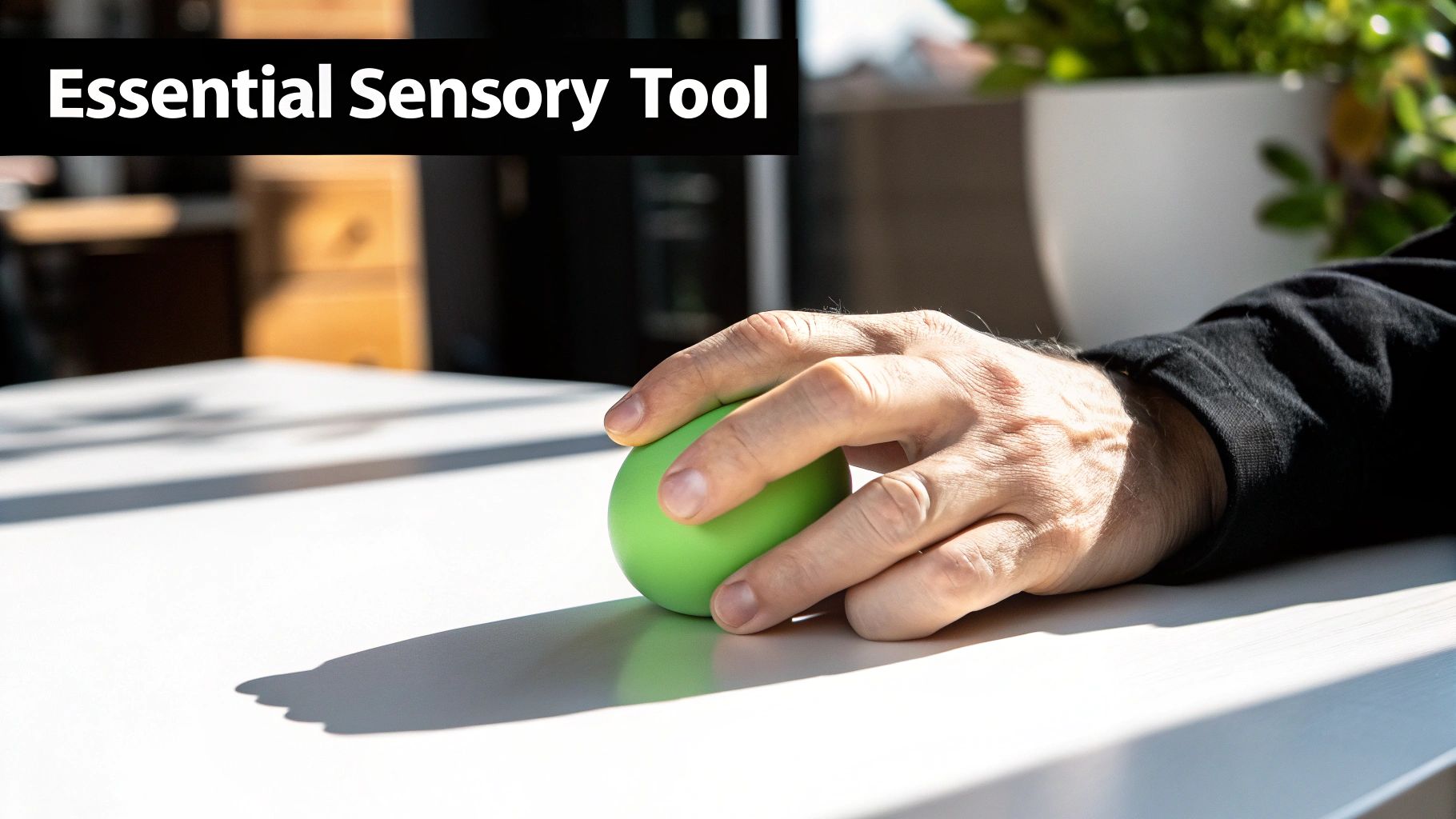
It's easy to dismiss a stress ball as just a gimmick, but it's actually a clever sensory tool designed to channel restless energy and help soothe an overwhelmed nervous system. When you give one a good squeeze, you engage the muscles in your hand and arm. This creates a physical release that can help tension and frustration simply melt away. From popular Needohs to classic foam balls, the variety available means there's a perfect fit for everyone.
Therapists call this 'proprioceptive input'—it's the calming feedback our brain gets from our muscles and joints when they experience deep pressure. It’s this very process that makes these simple toys so valuable. They offer an accessible, physical outlet to calm anxiety naturally, helping to ground you in the present moment. Better yet, they're discreet, portable, and give immediate tactile feedback, making them excellent fidgets for any situation.
A Growing Need in Australia
Here in Australia, the demand for stress balls toys and other sensory tools has really taken off as our understanding of mental health and neurodiversity grows. With Autism Spectrum Disorder (ASD) now affecting roughly 1 in 70 children, the need for effective regulation tools has never been clearer.
In fact, some research suggests that tools like squishy stress balls can improve focus and reduce meltdowns by as much as 40% in a classroom. That makes them an almost indispensable resource for creating more inclusive and supportive learning environments. This need extends to creating dedicated sensory spaces equipped with a range of tools.
Once you understand their true purpose, you start to see these objects not as toys, but as vital aids for self-regulation. They serve a few key functions:
- Anxiety Reduction: The act of squeezing helps release pent-up nervous energy and promotes a sense of calm.
- Improved Focus: That repetitive motion can help filter out distractions, making it easier to concentrate on the task at hand.
- Sensory Input: They provide essential tactile stimulation for those who seek out different textures and pressures.
- Emotional Regulation: They offer a safe and acceptable outlet for expressing big emotions like anger or frustration without anyone getting hurt.
This guide will unpack the science behind the squeeze and show you how to choose the perfect stress ball for your family, sensory classroom, or calming corner.
The Science Behind the Squeeze: How Stress Balls Actually Work
Ever wondered why squeezing a simple ball can feel so satisfyingly calm? It's not just a placebo effect or a way to keep your hands busy. There's real science at play here, connecting the muscles in your hand directly to the emotional regulation centres of your brain. Understanding this is key to seeing why stress balls toys are more than just a novelty.
When you give a stress ball a good squeeze, you’re activating the muscles and joints in your hand and wrist. This simple action sends a flood of powerful signals up to your brain through a process called proprioceptive input. You can think of it as a firm, grounding hug for your nervous system, delivered right through the palm of your hand. This deep pressure feedback is inherently calming and organising for the brain, helping to turn down the volume on feelings of anxiety or being overwhelmed. It's the same principle behind the comfort of a weighted blanket or a weighted animal toy.
On top of that, the repetitive motion of squeezing and releasing is a fantastic mindfulness exercise. It anchors your focus to a physical sensation in the here and now, pulling your attention away from whatever thoughts might be racing through your head. This rhythmic action acts as a circuit breaker for the stress cycle, giving your mind a moment to reset.
From Muscles to Mind: The Brain-Body Connection
The link between a physical action and a mental state of calm is incredibly strong. When we feel stressed or anxious, our bodies often flip into "fight or flight" mode, pumping our system full of adrenaline and cortisol. Squeezing a stress ball gives that pent-up tension a safe and productive physical outlet.
By channelling all that nervous energy into a focused physical task, you're essentially giving your brain a new job. Instead of looping on the source of your stress, it has to pay attention to the act of squeezing, which in turn helps slow your heart rate and deepen your breathing.
This all works because of the way our sensory system is wired. Your brain is constantly taking in information from your body to figure out what's going on. Here’s a quick look at how a stress ball taps into this system:
- Proprioceptive Input: As we touched on, the pressure on your muscles and joints tells your brain where your body is, which has a deeply grounding and centring effect.
- Tactile Stimulation: The actual feel of the stress ball’s surface—whether it’s squishy, textured, or firm—provides another layer of sensory information that can be incredibly soothing and engaging.
- Motor Release: Just the physical act of clenching and unclenching your fist helps release the muscle tension that often builds up in our hands, arms, and shoulders when we're stressed.
Ultimately, all these inputs work together to help your brain shift gears from a state of high alert to one of calm focus. That's why a humble stress ball can be such a powerful tool in a classroom, an office, or right in the middle of a moment of sensory overload. It's a direct line to your brain, sending a clear message: "It's okay, you can relax now."
How to Choose the Right Stress Ball
Not all stress balls are created equal, and finding the one that just clicks can make a world of difference. The best choice always comes down to the individual’s unique sensory preferences and what they need to feel calm and centred. To unlock their full potential, you have to look past the novelty and consider what’s going on inside and out—from the material and texture to the level of resistance. For those seeking premium options, brands like Kaiko Fidgets offer high-quality, durable designs.
This simple decision tree gets to the heart of it: feeling overwhelmed is the trigger, squeezing a ball is the action, and finding calm is the result.
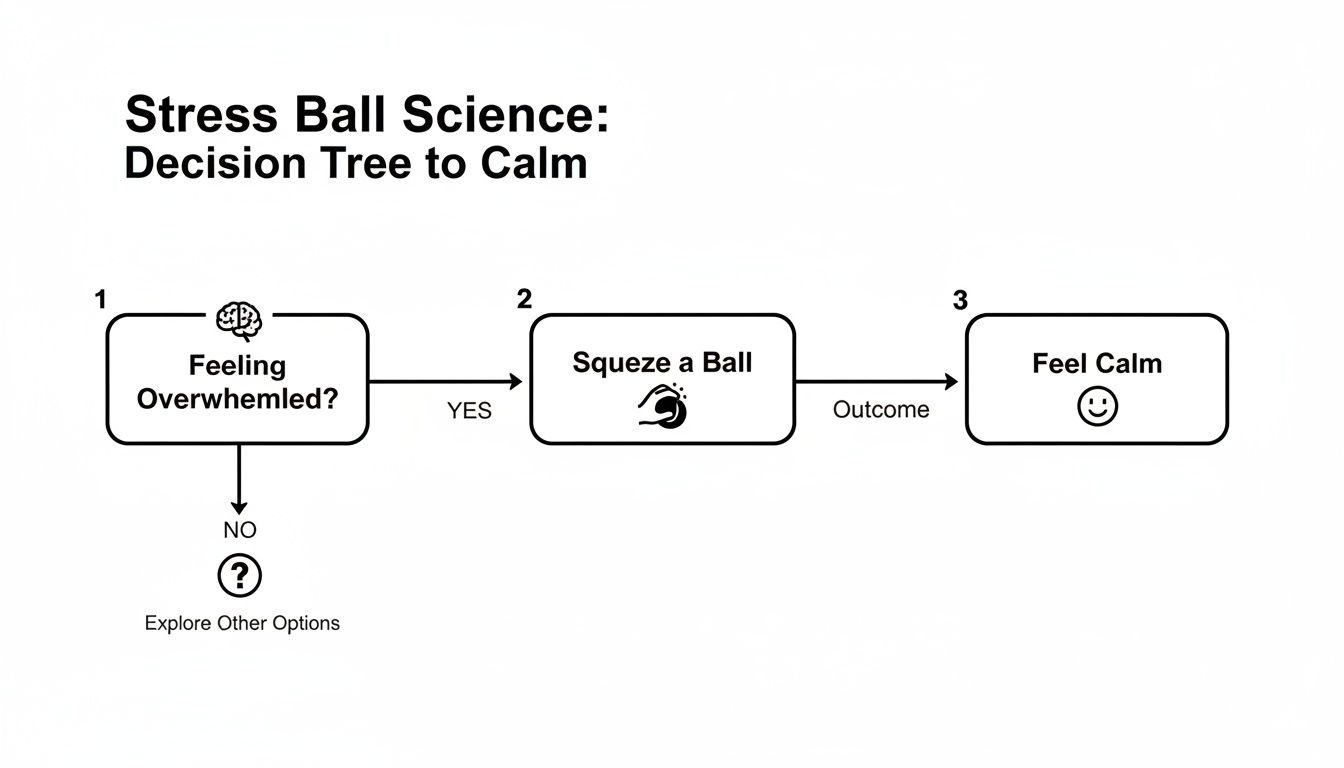
As you can see, a stress ball acts as a physical tool to cut through the noise of overwhelm, guiding the user back to a more regulated state. Keeping this in mind will help you pick a ball that gives the most effective and satisfying sensory feedback for you or your child.
Considering Material and Filling
What’s inside a stress ball completely changes how it feels and responds to a squeeze. Each material offers a distinct sensory experience, so it’s worth thinking about what kind of feedback you’re after.
-
Foam: These are the classic, lightweight stress balls. They give you a slow, predictable resistance when you squeeze them. Foam is a great starting point for gentle hand-strengthening exercises or for anyone who prefers a simple, soft feel.
-
Gel: Gel-filled balls have a wonderfully smooth, squishy sensation that’s quite unique. They often feel cool to the touch and provide a satisfyingly fluid resistance that many sensory seekers find incredibly calming.
-
Beads/Orbs: Filled with tiny water beads or other small pellets, these offer a really interesting tactile experience. The feeling of the little beads shifting and rolling under your fingers provides an extra layer of sensory input that can be very engaging and grounding.
Matching Texture to Sensory Needs
The outside of the ball is just as important as what’s inside. The surface texture provides tactile input that can either soothe or stimulate the nervous system. For a deeper dive, our guide on tactile sensory toys explains more about how different surfaces can support regulation.
Someone who finds themselves easily overstimulated will likely prefer a perfectly smooth, soft surface. It gives calm, predictable feedback without any jarring sensations. On the other hand, a sensory seeker might need something a bit more intense to get the input they crave.
A spiky or bumpy ball, for instance, delivers much more pronounced tactile feedback. This added stimulation can help ground an under-responsive individual or satisfy that need for stronger sensory input.
Stress Ball Selector Guide
To help you put it all together, here’s a quick guide comparing different types of stress balls. Think of it as a starting point to match a ball to specific sensory needs and goals.
| Stress Ball Type | Best For | Key Feature | Example |
|---|---|---|---|
| Smooth Gel | Over-responsive individuals needing calm | Cool, fluid, and predictable squeeze | A simple, single-colour gel ball |
| Spiky/Bumpy | Sensory seekers needing high tactile input | Intense, stimulating texture for grounding | A rubber ball with soft spikes |
| Slow-Rise Foam | Gentle hand strengthening and predictable feedback | Light, airy, and slow to return to its shape | A classic squishy foam toy |
| Bead-Filled | Fidgety hands and those who need engaging feedback | Crunchy, textured feel with moveable parts inside | A mesh ball filled with colourful orbs |
| Firm/Dense | Deep pressure needs and releasing frustration | High resistance for a powerful hand workout | A solid silicone or dense rubber ball |
Remember, the "best" ball is entirely subjective. What works wonders for one person might not be the right fit for another, so don't be afraid to experiment to find the perfect match.
Choosing the Right Resistance Level
Resistance is simply how much effort you need to put in to squeeze the ball. This is a crucial factor because the right level of resistance provides that all-important proprioceptive input—the feedback to our muscles and joints that helps regulate the body.
- Soft Resistance: Perfect for younger children or anyone with limited hand strength. A soft ball is easy to squeeze and provides gentle feedback, which helps avoid any frustration.
- Medium Resistance: This is a great all-rounder for most users. It offers a satisfying squeeze that requires a bit of effort, making it ideal for general stress relief and improving focus.
- Firm Resistance: Best suited for older kids, teens, and adults, or anyone who benefits from significant deep pressure input. A firm ball gives the hands a real workout and can be brilliant for channelling and releasing intense feelings of frustration or tension.
By carefully thinking about these three key elements—material, texture, and resistance—you can confidently find the perfect stress ball to support anyone’s needs, turning it into a truly effective tool for calm and focus.
Using Stress Balls in Classrooms and Therapy
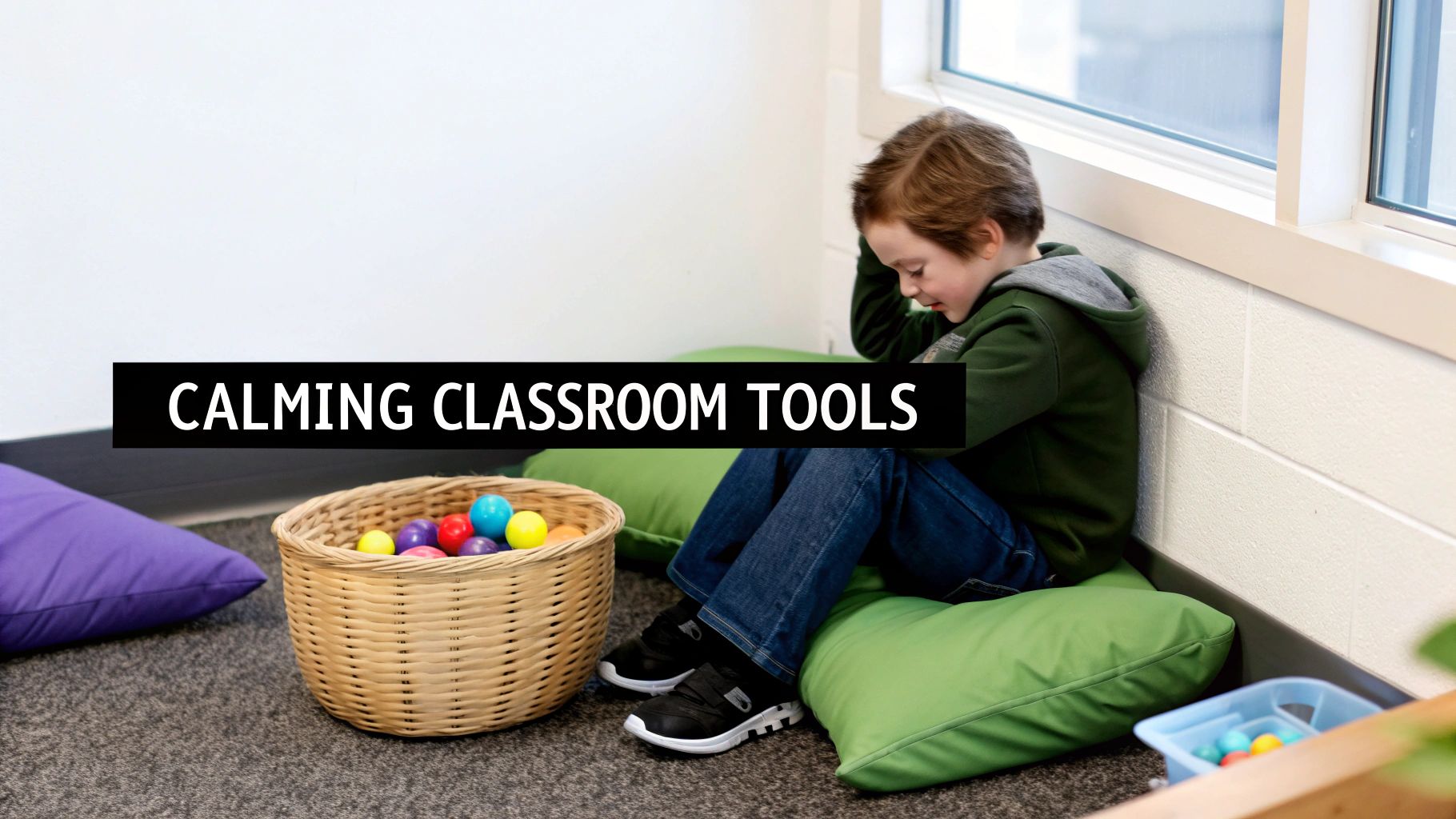
Stress balls have moved well beyond the office desk and are now becoming essential tools in schools and clinics right across Australia. In a classroom setting, they offer a quiet, non-disruptive way for students to channel that restless energy, helping them to settle down and focus. When used the right way, these simple stress balls toys can genuinely transform a student’s ability to stay engaged in a lesson.
Many educators are now weaving them into their daily classroom routines, having seen firsthand how powerful they are for supporting self-regulation. In fact, stress balls have carved out a real niche in Australian educational wellness programs. With 1 in 5 students facing learning challenges, the impact is clear. Classrooms that brought in stress toys saw a remarkable 35% drop in behavioural incidents. This success has even prompted some schools to start buying them in bulk, underscoring just how valuable they are for creating calmer learning spaces.
The Role of Stress Balls in a Sensory Classroom
In a sensory-friendly classroom, stress balls are the perfect "fidget tool." They're discreet enough for a child to use under their desk without distracting anyone else, giving them just the right amount of sensory input to help them stay seated and attentive. Sometimes, visual tools like a mesmerising Jellyfish Lamp can also enhance the calming atmosphere.
A well-chosen stress ball can act as a circuit breaker for an anxious or overwhelmed student. It gives them a physical anchor to focus on, helping to ground them in the present moment and filter out distracting sensory noise.
These tools are also a cornerstone of the 'calming corner'—that quiet, safe space where students can go to hit the reset button on their emotions. A basket filled with different types of stress balls provides a healthy outlet for frustration or anxiety, empowering kids to manage their feelings constructively. If you're looking for more ideas, our article on fidget toys for school has plenty of other strategies.
Applications in Occupational Therapy
Occupational therapists have been using stress balls for years, and for a lot more than just stress relief. They're a fantastic, engaging resource for developing crucial physical skills without it feeling like therapy.
- Fine Motor Skills: All that squeezing, rolling, and squishing helps to strengthen the small muscles in the hands and fingers. This is absolutely vital for everyday tasks like writing, drawing, and using scissors.
- Hand Strength: For children with low muscle tone or a weak grip, regularly using a stress ball with medium-to-firm resistance can be a really effective and playful way to build strength.
- Emotional Regulation: Therapists often use them to help children connect a physical action to an emotional state. For example, a child might be encouraged to squeeze the ball hard when they feel angry, then slowly release their grip as they practise calming their body and mind down.
For a more structured approach, you could integrate Zones of Regulation activities, where stress balls become a tangible tool for navigating different emotional states. At the end of the day, whether it's in a classroom or a clinic, the goal is the same: to build supportive, inclusive environments where every child has the tools they need to thrive.
Beyond the Squeeze: Creative Ways to Use Your Stress Ball
Think stress balls are just for squeezing when you’re stuck at your desk? Think again. While they’re brilliant for that quick moment of stress relief, these simple sensory tools have a whole world of uses that can boost play, learning, and motor skills. Moving beyond the basic squeeze is where you'll find their real magic, turning them into a go-to resource for kids and adults.
By weaving them into a few structured activities, a simple regulation tool becomes a source of fun, connection, and development. The trick is to stop seeing them as just stress balls toys and start thinking of them as interactive aids. Other engaging toys like Numberblocks can also turn learning into a playful experience.
Games for Motor Skills and Coordination
Stress balls are fantastic for building physical skills in a playful, low-pressure way. Because they're soft and lightweight, they're perfect for activities where a regular ball might be a bit too much to handle.
Here are a few simple ideas to get you started:
- Juggling Practice: Grab two or three soft foam stress balls and have a go at basic juggling patterns. It’s an excellent way to improve hand-eye coordination and what therapists call bilateral integration—getting both sides of the body to work together smoothly.
- Target Toss: Set up a few small baskets or containers on the floor. See if your child can toss the stress balls into them from different distances. This little game is great for developing motor planning and accuracy.
- Catch and Squeeze: Start a simple game of catch. The rule is, every time someone catches the ball, they have to give it a good, firm squeeze before throwing it back. This sneaks a bit of hand-strengthening into the fun.
Mindfulness and Breathing Exercises
A stress ball can also act as a physical anchor for mindfulness and breathing exercises. This is a game-changer for anyone who struggles to sit still or focus during quiet moments. The tactile feedback gives them something to ground themselves with, making mindfulness feel much more approachable.
Try this simple exercise: Hold the stress ball in one hand. As you take a slow, deep breath in, squeeze the ball firmly. As you breathe out, slowly release your grip, really noticing the feeling of tension leaving your hand. Repeat this five times to help sync your body and mind.
Learning Through Play
For the little ones, stress balls can easily be slipped into educational games that make learning feel like pure fun. Their bright colours and interesting textures are great for grabbing attention and making abstract ideas more concrete.
For instance, you could use different coloured balls for sorting activities to teach colour recognition. They’re also perfect for simple counting games—line them up and count them one by one, or practise basic addition and subtraction by adding or taking balls away. Suddenly, a simple sensory toy becomes a powerful tool for early learning.
Your Guide to NDIS Funding for Stress Balls in Australia
Figuring out the National Disability Insurance Scheme (NDIS) can sometimes feel overwhelming, but it can be a huge help when you need to buy sensory tools like stress balls. The good news is that these items are often fundable, making it easier to get the right tools for regulation and calm.
How NDIS Funding Works for Sensory Tools
So, where do stress balls fit into an NDIS plan? Most of the time, they fall under the 'Consumables' budget. This is a flexible part of your plan designed for everyday items that support your disability-related needs.
Another possibility is the 'Low-Cost Assistive Technology' category. This covers helpful equipment under a certain price point that makes daily life a bit easier. This can also apply to larger items like a Neptune Blanket or even a sensory swing.
Making Your Purchase
Getting your stress balls funded is usually quite simple. As NDIS-registered providers, we can give you a quote for your plan manager or for you to use in a self-managed plan. This just helps to show that the purchase lines up with your plan goals, like improving emotional regulation or managing sensory input.
Our team is always here to make this as straightforward as we can. For a deeper dive into funding, check out our complete guide to sensory toys in Australia.
The demand for these tools has skyrocketed. In fact, since the NDIS began, funding for sensory items has jumped by 400%, and it now supports over 300,000 families nationwide. This huge growth really shows how important these simple aids are for creating calmer, more focused environments. You can learn more about this trend in the growing stress toy market report.
A quick tip when using NDIS funds: always put safety first. Make sure you choose stress balls made from non-toxic, durable materials that are a breeze to clean—this is especially important if they're for kids or for shared spaces like a classroom.
By picking the right provider and the right product, you're not just buying a toy; you're making a smart investment in well-being and getting the most out of your NDIS plan.
Got Questions About Stress Ball Toys?
Diving into the world of sensory tools can definitely bring up a few questions. To make things a little easier, we’ve put together some simple, straightforward answers to the queries we hear most often about stress balls toys.
Are Stress Balls Safe for All Ages?
This is a great question, and the honest answer is: it really depends on the specific stress ball. Safety always comes first, especially with little ones.
For young children or anyone who might explore objects with their mouth, you absolutely must choose non-toxic, durable toys. Make sure they’re big enough that they can’t become a choking hazard, and always have a quick look at the manufacturer's age recommendations. Soft, plush toys like Palm Pals Australia can be a safer alternative for younger kids.
If you’re buying for someone who gets a lot of oral sensory feedback or is a heavy chewer, it's a good idea to seek out products specifically designed to be chewed on safely. This way, the tool does its job without falling apart.
How Do I Clean a Stress Ball?
Keeping your sensory tools hygienic is a must, particularly if they’re being used in a classroom, clinic, or any shared space. The good news is that it’s usually pretty simple.
Most stress balls made from silicone, rubber, or foam can be cleaned easily with a damp cloth and a bit of mild soap.
If you've got a gel-filled one, a fabric-covered ball, or something a bit more complex, it’s always best to check the manufacturer’s care instructions first so you don't accidentally damage it. A quick clean keeps them safe and ready to go whenever they're needed.
Can Stress Balls Help with More Than Just Anxiety?
Yes, they absolutely can. While they’re famous for helping with anxiety, their benefits go so much further.
Stress balls are fantastic tools for individuals with ADHD. They can really help improve focus by giving restless energy a quiet, physical outlet. When the hands are busy, it frees up the mind to concentrate on what’s important.
Occupational therapists also use them all the time to help build fine motor skills, improve coordination, and strengthen hands. For people with Autism or Sensory Processing Disorder, they provide crucial sensory input that aids in self-regulation and can help head off sensory overload. Their versatility is what makes them such a core part of any good sensory toolkit. They work wonderfully alongside other calming tools like night lights and sleeping aids to create a supportive environment.
Here at The Sensory Poodle, we’re passionate about providing high-quality, safe, and effective sensory tools for families, schools, and clinics all across Australia. Feel free to explore our handpicked collection to find the perfect resources to support regulation and bring a sense of calm.