


Finding Calm Headphones for Autism Explained

For many autistic people, headphones are an absolute game-changer. Think of them as a personal volume dial for a world that’s often turned up way too loud. Whether they are noise-cancelling headphones or protective earmuffs, they create a much-needed buffer against overwhelming sound, helping to reduce anxiety, prevent sensory overload, and sharpen focus in places like busy classrooms or chaotic shopping centres.
How Headphones Can Create a Pocket of Peace
Imagine you’re trying to have a quiet chat, but there are a dozen different radios blaring around you at full blast. It sounds impossible, right? For many on the autism spectrum, this isn't just an analogy—it’s their day-to-day reality.
This heightened sensitivity to sound is often called auditory hypersensitivity, and it can turn ordinary places into a sensory minefield. The low hum of fluorescent lights, the background chatter in a classroom, or even the clatter of cutlery can feel physically painful and completely draining.
This is where headphones step in as more than just an accessory. They become a vital tool for self-regulation. By muffling or blocking out all that overwhelming noise, they create a personal bubble of calm. This gives the brain a chance to breathe and process information without the constant, jarring interruption of disruptive sounds.
From Overload to a Calm Oasis
When someone can manage their sound environment, it gives them an incredible sense of control and safety. Instead of being pushed into a fight-or-flight response by a stressful situation, they can pop on their headphones and proactively manage what they're hearing. That simple act can be the difference between a good day and a full-blown meltdown.
Here in Australia, with over 290,000 people diagnosed with autism in 2022, sensory challenges are a huge part of daily life. In fact, a staggering 77% of autistic students struggle in school specifically because of noise. It's no wonder that occupational therapists regularly recommend headphones to help people manage their sensory needs, and teachers see a direct link between their use and a calmer, more focused classroom.
It’s all about being proactive. In the same way that a soothing visual tool, like the ones we explore in our guide to fibre optic lamps, can calm the visual system, headphones offer a sanctuary for the auditory system. Paired with other sensory tools like a calming weighted blanket or engaging magnatiles, they help create a comprehensive sensory-friendly environment.
By filtering out the chaos, headphones allow an individual to conserve precious mental and emotional energy. This energy can then be redirected towards learning, socialising, and engaging with the world on their own terms.
Beyond just blocking out the world, many people find even greater calm by adding their own soundscapes, which explains the benefits of white noise for sensory regulation. Ultimately, headphones are a powerful tool for building a bridge between inner comfort and the outside world, making everyday life far more manageable and enjoyable.
Earmuffs vs. Noise-Cancelling Headphones: Choosing Your Sound Shield
Deciding on the right kind of hearing protection can feel overwhelming. The easiest way to cut through the noise is to ask one simple question: what’s the main goal here?
Are we trying to block out as much sound as possible, creating a quiet sanctuary? Or is the aim to simply turn down the volume on the world while still being able to listen to music or a podcast? Your answer will point you straight to the perfect solution.
Let's break down the two main contenders: passive noise-isolating earmuffs and active noise-cancelling (ANC) headphones. They both create that much-needed pocket of peace, but they get there in very different ways. Knowing how each one works is the key to picking the right tool for the job.
Passive Noise-Isolating Earmuffs: The Physical Barrier
Think of these as your personal soundproof wall. Passive earmuffs use thick, dense padding inside chunky ear cups that create a physical seal around the ears. It’s a beautifully simple, non-electronic approach—they physically stop sound waves from getting in.
Their straightforward design makes them incredibly robust and easy to manage, which is fantastic for younger kids or anyone who tends to be a bit rough on their gear. They excel in situations where you just need quiet, full stop. Think loud school assemblies, a trip to the shopping centre, or a fireworks display.
Because there's no music or audio involved, they're brilliant for minimising distractions when focus is the absolute priority. If you're looking for options for little ones, our guide on baby noise-cancelling headphones is a great place to start.
Active Noise-Cancelling (ANC) Headphones: Your Personal Quiet Bubble
Active noise-cancelling headphones are where the clever tech comes in. They use tiny, built-in microphones to listen to the constant, low-frequency sounds around you—like the hum of an air conditioner or the drone of traffic. Then, they create an opposite sound wave that neutralises the incoming noise before it ever reaches your ears. It’s not magic, but it certainly feels like it.
The real advantage here is their flexibility. Not only do ANC headphones dial down distracting background noise, but they also let you layer your own sounds on top. You can play calming music, listen to an audiobook, or stream white noise. This can be a game-changer for managing anxiety or providing a comforting, predictable sensory input during stressful transitions, similar to the comfort provided by soft Warmies or other sleeping aids.
They’re perfect for anyone who wants to control their soundscape without feeling totally cut off.
This decision tree can help you map out which option makes the most sense for you or your child.
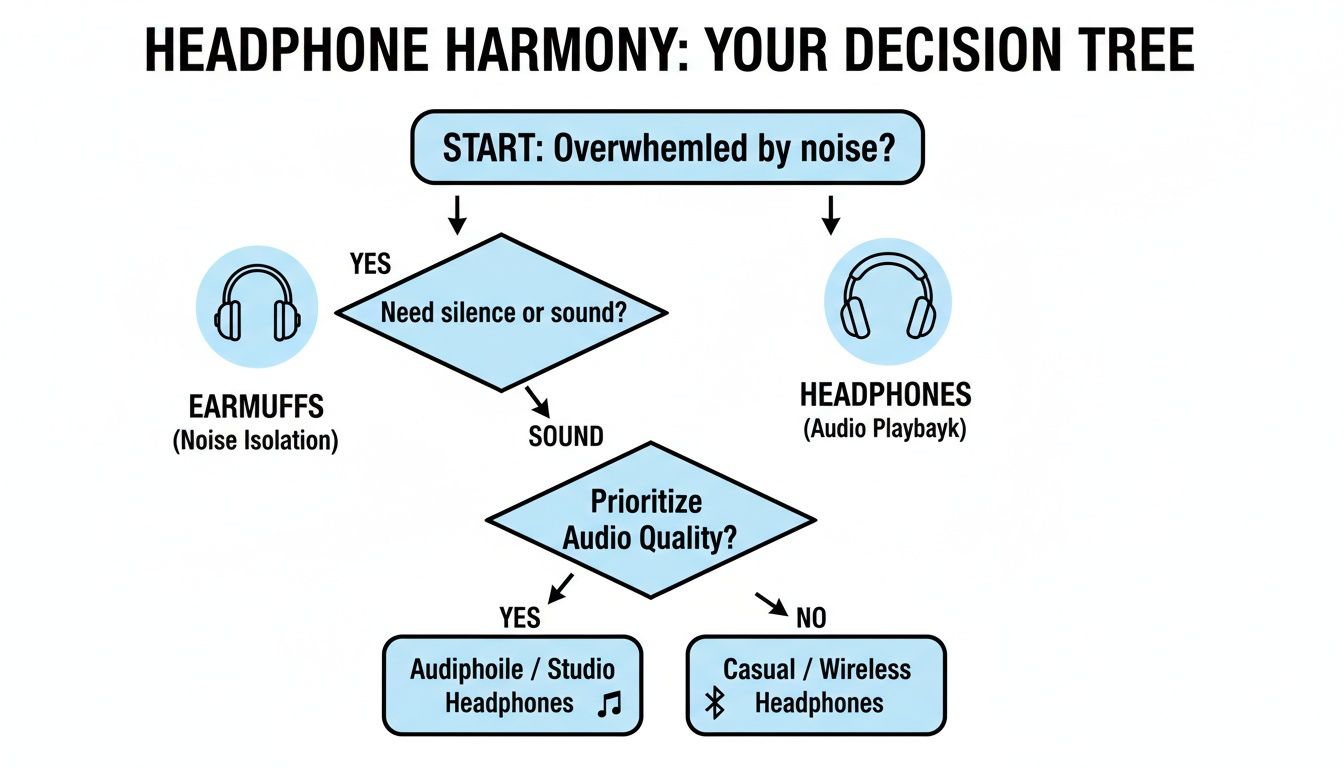
As the chart shows, if pure, unadulterated silence is what you're after, earmuffs are your most direct route. But if you want the ability to add your own audio into the mix, headphones are the way to go.
A Quick Word on Bone Conduction Headphones
There's a third, less common option on the scene: bone conduction headphones. These are a bit different because they don't cover or go inside the ears at all. Instead, they rest on your cheekbones, just in front of your ears, and send sound vibrations through bone directly to your inner ear.
This unique open-ear design is fantastic for people who need to listen to personal audio while staying completely aware of their surroundings—like hearing a teacher's voice in the classroom or traffic while walking. They don't block outside noise, but they offer a brilliant solution for anyone with sensitivities to having their ears touched or covered.
What Really Matters When Picking a Pair

Let’s be honest: the best headphones are the ones that actually get worn. Forget the marketing jargon and complex tech specs for a moment. The real measure of success is whether a pair feels comfortable, practical, and safe enough to become a trusted sensory tool.
If they're scratchy, too tight, or feel heavy on the head, they’ll end up at the bottom of a bag, no matter how amazing their sound-blocking ability is. So, let’s get into the features that truly make a difference for everyday, stress-free use.
Decoding the Numbers
When you're shopping, you’ll probably come across something called a Noise Reduction Rating (NRR). It's measured in decibels (dB) and essentially tells you how much sound a pair of headphones or earmuffs can block out in perfect lab conditions. A bigger number means more sound reduction.
But here’s the key—higher isn't always better. An NRR of 22 dB could be just right for turning down the volume on a noisy school cafeteria, allowing a child to feel calmer while still being able to hear their teacher. In contrast, a super-high NRR of 30 dB or more is what you’d want for intensely loud situations like a fireworks display or a concert. It's all about matching the tool to the environment.
Comfort is King
For anyone with sensory sensitivities, especially around touch, the physical feel of the headphones is absolutely crucial. A pair that creates a constant, irritating sensation will only add to sensory overload, defeating the whole purpose.
When you're looking at different options, keep an eye out for these comfort essentials:
- Soft, Breathable Ear Cups: The material that sits against the skin should feel gentle and not cause ears to get hot and sweaty.
- Lightweight Design: Heavy headphones can lead to neck strain or just feel oppressive after a while. Lighter is almost always better for long-term wear.
- Adjustable Headband: You want a fit that’s snug enough to form a good seal around the ears, but not so tight that it feels like a clamp and causes pressure headaches. A bit of padding on the band itself is a huge plus.
- Minimal Seams and Tags: It’s worth doing a quick check for any rough edges, pokey seams, or scratchy tags that could become a major source of irritation.
The goal is for the headphones to feel like a comforting hug for the ears, not a clamp. When they feel good to wear, they become a trusted companion rather than a necessary evil.
Practicality for Everyday Life
Beyond pure comfort, a few practical features can make a world of difference for both the user and their family. Durability is a big one, especially when kids are involved. Look for headphones built from sturdy materials that can survive the occasional drop or being stuffed into a backpack.
Portability is another major win. Many of the best noise cancelling earmuffs for kids are designed to fold into a compact shape, which makes them incredibly easy to pop in a bag and have on hand for whenever they're needed.
Finally, think about cleaning. Smooth, wipeable surfaces are far more hygienic and much easier to maintain, keeping the headphones fresh and ready for their next adventure.
Choosing the right pair can feel overwhelming, but focusing on these core elements will simplify the process. To make it even easier, here's a quick checklist you can use to compare different models.
Checklist for Autism-Friendly Headphones
This straightforward checklist of the most important features to consider will help you confidently compare different models before making a decision.
| Feature | Why It Matters | What to Look For |
|---|---|---|
| Noise Reduction (NRR) | Needs to match the environment—not too much, not too little. | 15-22 dB for general use (classrooms, shops). 25-30+ dB for very loud events (concerts, fireworks). |
| Comfort & Fit | The single most important factor. Uncomfortable headphones won't be worn, no matter how effective they are. | Soft, padded ear cups; adjustable headband; lightweight materials; smooth, seamless design. |
| Durability | Must withstand daily use, drops, and being transported in bags. | Sturdy, flexible plastics; reinforced joints; high-quality construction that doesn't feel flimsy. |
| Portability | Easy to carry so they're always available when needed. | Foldable design; compact size; included carrying case or pouch. |
| Ease of Cleaning | Important for hygiene, especially for frequent use in different environments. | Smooth, non-porous surfaces that can be easily wiped down. |
| Safety Features | Ensures protection without causing total sound isolation, which can be disorienting or unsafe. | Volume-limiting technology (for audio headphones); passive reduction that still allows for awareness of speech. |
By walking through this checklist, you can move past the marketing and focus on what will genuinely work for your child or yourself. It’s about finding that perfect blend of protection, comfort, and real-world usability.
Making Headphones a Welcome Part of the Routine

Introducing any new sensory tool can be a bit of a delicate dance, especially when tactile sensitivities are part of the picture. The goal is to frame headphones as a helpful friend, not a chore. A gentle, patient approach can be the difference between them becoming a source of stress and a trusted companion for navigating a noisy world.
The secret often lies in building positive associations right from the start. Instead of just presenting the headphones, try modelling the behaviour yourself. Pop on your own pair during quiet, relaxed moments to show that they’re a normal and comfortable part of everyday life.
Another great strategy is to link the headphones with something your child already loves. This might mean they wear them for just a few minutes while playing with a favourite sensory toy, like one of the fantastic Kaiko fidgets, or while building with their Numberblocks figures. This builds a powerful bridge in their mind, connecting the headphones with feelings of calm and enjoyment.
Building Ownership and Comfort
Giving a child a sense of control over their new tool is a game-changer. An easy way to do this is through personalisation. Let them go to town with stickers of their favourite characters like Bluey or Snoopy, or pick a pair in a colour they absolutely love. This simple act turns the headphones into theirs, not just something they've been told to wear.
Weaving headphones into a daily routine can also be a key part of broader mental health self-care strategies, helping to create a sensory environment that feels predictable and supportive.
To help them get used to the physical feeling, start with super short, pressure-free sessions. We’re talking just 30 seconds at first, then maybe a minute, slowly stretching out the time as they get more comfortable.
The aim is to make wearing headphones feel like a choice, not a chore. When a child understands that this tool helps them feel better, they are far more likely to reach for it independently when they need it.
Gentle Introduction Strategies
- Start Small: Begin with just a minute or two in a calm, familiar space like home.
- Pair with Fun: Connect headphone time with their favourite, most engaging activities.
- Offer Choices: Let them decide when and for how long they’d like to try them on.
- Stay Positive: Keep your language encouraging and celebrate the small wins without any pressure.
Using these gentle techniques, you can help headphones become a welcome and empowering part of your child’s sensory toolkit, giving them the confidence to manage their world.
Using Headphones in the Real World
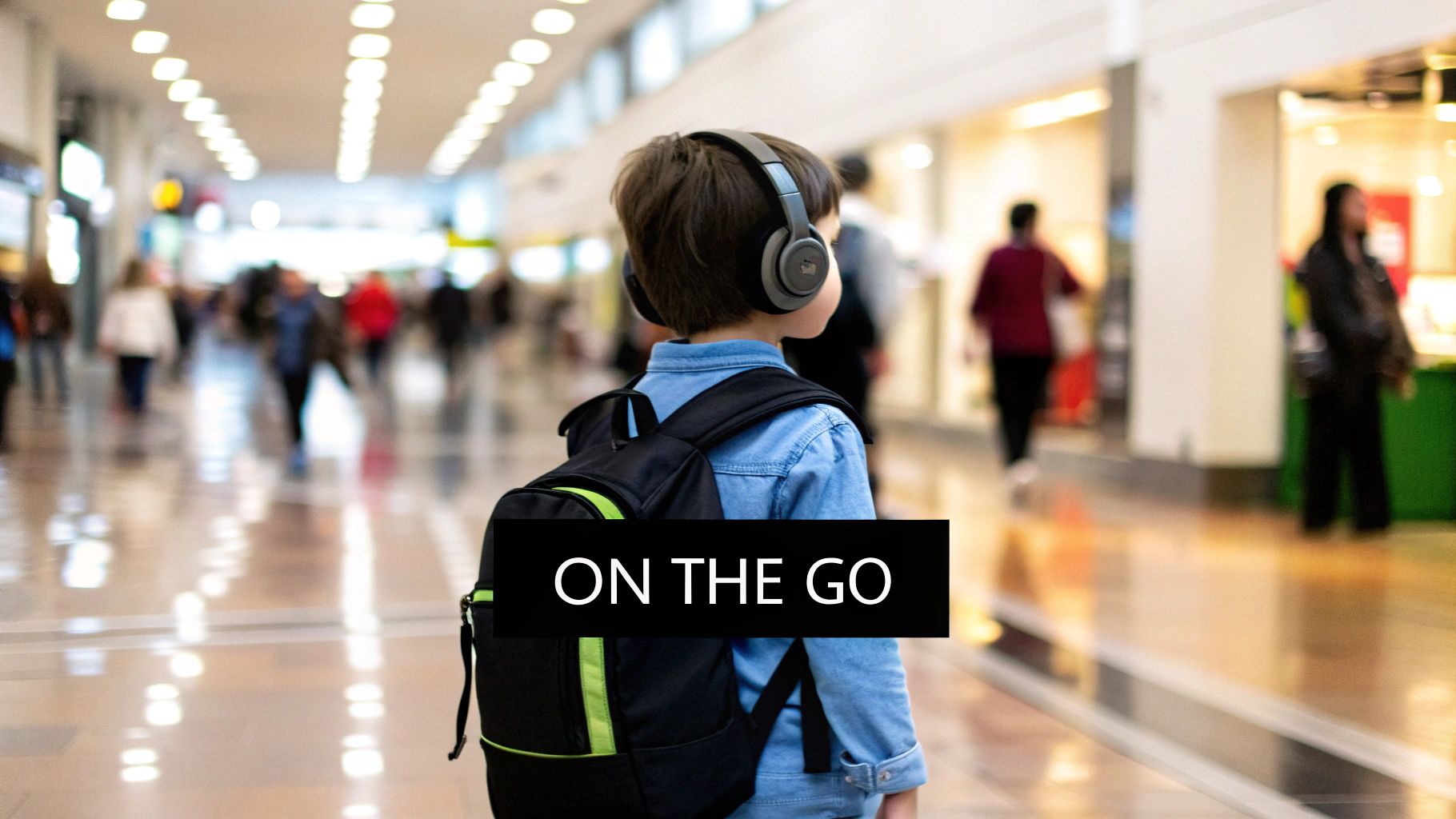
Knowing which headphones to buy is one thing, but figuring out when and where to use them is where the magic really happens. Think of them as a personal shield, turning potentially stressful, overwhelming places into spaces that feel safe and manageable.
The real trick is to use them proactively. Instead of waiting for overwhelm to hit, you can pop them on before heading into a situation you know will be a challenge. This simple step can build a huge amount of confidence and predictability, empowering someone to step into the world with a greater sense of control.
Let's break down a few common scenarios where headphones can be a total game-changer.
In the Classroom
School classrooms are a minefield of unpredictable sounds. There's the screech of chairs on the floor, the constant hum of chatter during group work, and the muffled shouts from the playground outside. For an autistic student trying to concentrate, it's like trying to listen to one song with three others playing loudly at the same time.
Headphones help create a quiet bubble, filtering out the chaos so they can actually focus on the teacher.
This is especially useful during:
- Independent study time to block out distracting whispers and movement.
- Noisy group activities to dial down the volume while still being part of the team.
- Loud assemblies or lunchtimes to survive the echoey, crowded hall without a meltdown.
A well-resourced sensory classroom will often have headphones readily available, giving students the power to self-regulate without having to leave the room.
At Home for Decompression
Home is meant to be a sanctuary, but that transition from the structured, demanding environment of school can be incredibly jarring. The sudden noise of siblings playing, the TV blaring, or even the vacuum cleaner can feel like an assault on the senses.
This is the perfect moment for headphones to help create a dedicated calm-down space. When paired with other sensory tools, they become part of a powerful reset ritual. A quiet corner can be transformed into one of many calming sensory spaces with the right tools.
After a long day of masking and holding it all together, a quiet wind-down is non-negotiable. Using headphones in a cosy corner with a mesmerising jellyfish lamp and a few favourite fidgets provides a predictable routine to decompress before emotions boil over.
This proactive strategy can head off many after-school meltdowns, helping to recharge the social and emotional batteries for the rest of the evening.
Out and About in the Community
Public spaces are the final boss of sensory challenges. Shopping centres, supermarkets, and big family parties are brimming with sudden loud noises, layers of conversations, and startling PA announcements. For many autistic people, these places are simply no-go zones.
Headphones can act as a portable safe space, making these outings feel possible again. They can be worn to:
- Muffle the overwhelming clatter and beeping of a busy grocery store.
- Dampen the loud music at a birthday party, making it easier to socialise.
- Create a pocket of calm on a noisy bus or train.
By getting a handle on the sound, a person can save their precious energy for the actual activity. This builds independence and confidence, transforming dreaded chores and events into experiences that can actually be enjoyed.
Navigating NDIS Funding for Sensory Tools
Figuring out how to pay for essential sensory tools shouldn't add more stress to your plate. For many Aussie families, the National Disability Insurance Scheme (NDIS) is a brilliant way to get items like headphones for autism. The trick is simply knowing where they fit into your plan.
Headphones and earmuffs usually fall under the category of low-cost assistive technology (AT). This is fantastic news because it often means you can buy them using your Core Supports budget, specifically from the 'Consumables' section. This gives you the freedom to purchase what you need without going through a complicated assessment and quote process.
Justifying the Purchase for NDIS
Even though you can often buy these items directly, it’s always smart to have a clear reason why they're needed, particularly when it's time for a plan review. The most solid way to connect the headphones to your NDIS goals is with a recommendation from an allied health professional, like an occupational therapist (OT).
An OT can write a letter or report that outlines exactly how a particular pair of headphones will help the participant work towards their goals. For instance, the letter might explain how the headphones will make community outings more manageable, improve focus at school, or reduce sensory overwhelm to help with emotional regulation.
The NDIS funds supports that are considered 'reasonable and necessary'. A therapist’s recommendation officially documents why headphones are a necessary tool for managing a participant's disability-related needs, making the purchase straightforward to justify.
This kind of documentation clearly shows the NDIA that the headphones aren't just a personal preference but a crucial tool for navigating daily life. When you're searching for the right gear, it's a good idea to explore a wide range of sensory tools for autism. This can help you and your therapist pinpoint the most effective supports to meet your specific goals. With the right approach, you can confidently use your NDIS funding to get the tools that help your child thrive.
Your Questions Answered: Headphones for Autistic Children
To wrap things up, let's tackle some of the most common questions that pop up for parents, carers, and teachers when they're thinking about headphones. These quick answers should clear up any lingering thoughts and help you feel confident you're making the right choice for your child's sensory needs.
Can My Child Wear Headphones All Day?
While headphones are an amazing support, it’s usually best to avoid wearing them non-stop all day. Sometimes, constant use can actually increase auditory sensitivity over time, or even create a bit of a social bubble that’s hard to break out of.
A much better approach is to use them strategically. Encourage your child to pop them on during predictable high-stress times—think noisy classroom activities, a trip to the supermarket, or just to decompress after a long school day. An occupational therapist can be a brilliant partner in creating a balanced sensory plan that folds headphone use in at just the right moments.
What’s the Difference Between Earmuffs and Headphones?
The main difference comes down to how they work. Noise-cancelling earmuffs for kids offer what’s called passive noise isolation. They simply use thick, soft padding to create a physical seal around the ears to block out sound. They're super durable, don't need batteries, and are fantastic for pure noise reduction.
Active Noise-Cancelling (ANC) headphones, on the other hand, are a bit more high-tech. They have tiny microphones that listen to the ambient sound around you, and then they create an opposite sound wave to cancel it out. This often results in a quieter experience and lets you play music or audiobooks, but they tend to be more delicate and carry a higher price tag.
How Do I Know if My Child Needs Headphones?
Watching your child's behaviour in different environments is your best clue. Keep an eye out for tell-tale signs of auditory sensitivity, like:
- Frequently covering their ears in noisy or crowded places.
- Getting really distressed by everyday sounds like vacuum cleaners or public hand dryers.
- Becoming overwhelmed and irritable during school assemblies, at the shopping centre, or even at big family gatherings.
If you’re seeing these patterns, headphones could be a powerful tool to help them feel more comfortable, regulated, and in control of their world.
Are Headphones for Autism Covered by the NDIS?
Yes, in many cases, they absolutely are. Headphones and earmuffs usually fall under the category of low-cost assistive technology (AT), as they directly support goals related to daily living and community participation.
This means you can often purchase them using your child's Core Supports (Consumables) budget. To make the process as smooth as possible, it’s a great idea to get a letter of recommendation from an OT. This letter can clearly explain how the headphones will help your child work towards their specific NDIS goals.
At The Sensory Poodle, we get that finding the right sensory tools is a journey. We’ve carefully chosen our collection of high-quality, durable earmuffs and headphones to provide reliable comfort and protection for sensitive ears. We also stock a wide range of other items to support sensory needs, from fun showbags and blind boxes to engaging educational toys.